
Everything you need to know about pregnancy sleep position: Can a pregnancy chiro help?
Sleep and pregnancy have a complicated relationship and pregnancy back pain in Brisbane is not that uncommon. The truth is just when the body needs more rest than ever, getting comfortable enough to actually achieve it becomes increasingly difficult. Back pain, rib pressure, pelvic discomfort, round ligament aching, heartburn and the simple mechanical challenge of finding a position that works with a growing belly all conspire against a good night's rest.
While there is no single perfect pregnancy sleep position, understanding why certain positions cause discomfort and what adjustments may help can make a meaningful difference to how well you sleep across the second and third trimesters.
Why does pregnancy sleep position matter?
As the uterus grows through the second and third trimesters, it places increasing load on the surrounding structures. Lying flat on the back allows the uterus to rest directly on the inferior vena cava, the large vein that returns blood to the heart, which can reduce circulation and cause dizziness, nausea or breathlessness for some women. Most will naturally shift position before this becomes a significant problem, but it is one reason sleeping flat on the back becomes less comfortable as pregnancy progresses.
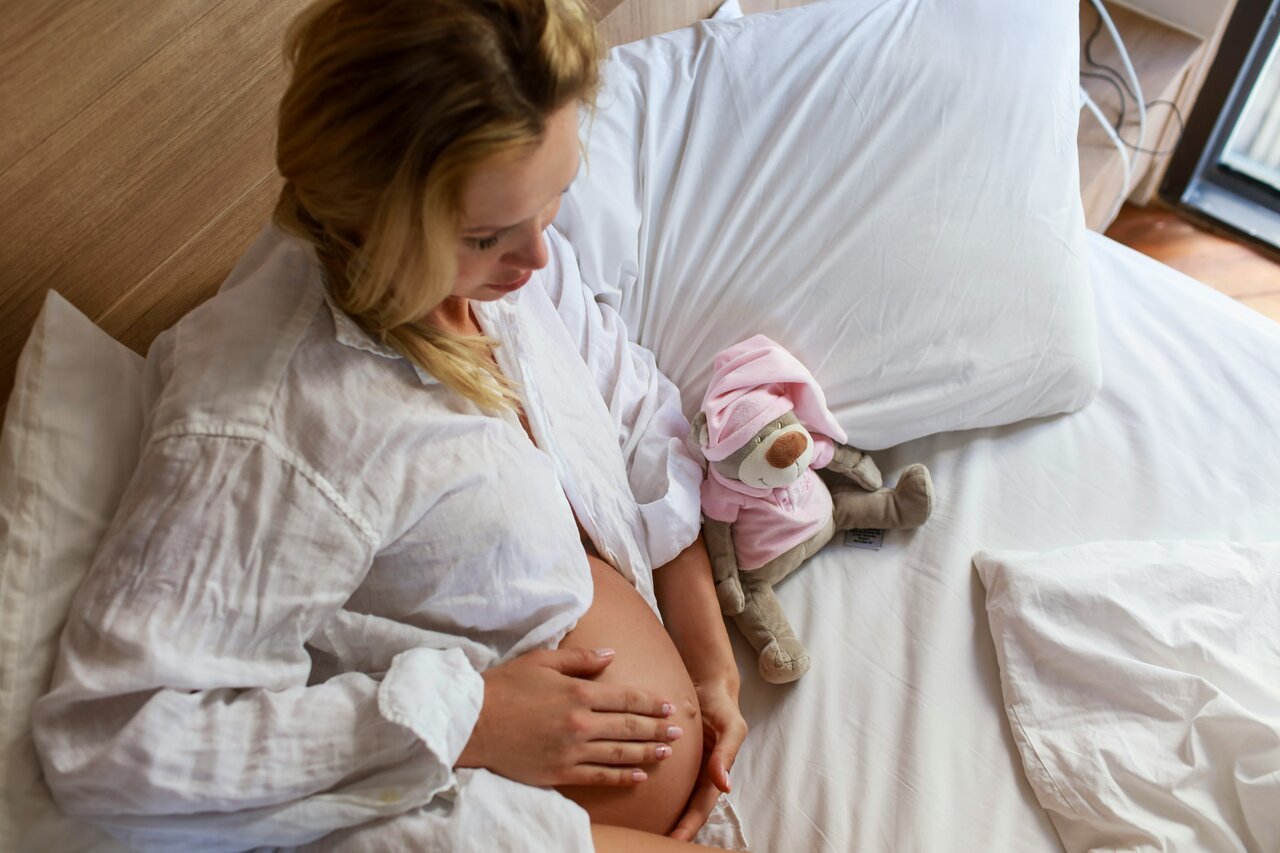
The pelvis and lower back are also under sustained load during pregnancy. Hormones, including relaxin, increase ligament laxity throughout the pelvic region, which can make positions that place asymmetrical load through the pelvis more likely to aggravate discomfort.
Side sleeping: The most recommended pregnancy sleep position
Side sleeping is generally considered the most comfortable and physiologically sensible position through the later stages of pregnancy. However, it is important to note that while the left side is often suggested, current public health guidance generally focuses on going to sleep on either side from around 28 weeks, rather than insisting on one side only.
That said, the right side is also perfectly reasonable and for most women, alternating sides through the night is natural and appropriate. If you wake up on your back, try not to panic. Simply roll back onto your side.
The key to comfortable side sleeping during pregnancy is support. Without sufficient pillow support, side sleeping can place an asymmetrical load through the pelvis, causing the top hip to drop forward and creating torsional strain through the sacroiliac joints and lower back.
Pillow placement and what might help
A pillow placed between the knees and drawn up slightly toward the belly is one of the most effective adjustments for reducing pelvic and lower back discomfort in sleeping sideways. It keeps the hips stacked, reduces the forward rotation of the top hip and distributes load more evenly through the pelvis.
A pregnancy pillow or full-length body pillow serves a similar purpose and also supports the belly, which can relieve the sensation of weight pulling through the lower abdomen and hip flexors during the night.
For rib discomfort, which is common in the third trimester as the uterus pushes up into the lower ribcage, slightly elevating the upper body using an extra pillow or a wedge can help. This also tends to reduce reflux symptoms, which peak in the third trimester for many women.
A small pillow or folded towel positioned under the lower waist can help support the lumbar curve during side sleeping, which reduces the tendency for the spine to sag toward the mattress and can ease lower back aching through the night.
When back sleeping becomes uncomfortable when sleeping during pregnancy
Many women find that lying flat on their backs becomes uncomfortable by the second trimester. A slight incline, using pillows to prop the upper body at a gentle angle rather than lying completely flat, can make back sleeping more tolerable if side sleeping is difficult. This also helps reduce the pressure of the uterus on the vena cava.
If you wake on your back, simply return to a side-sleeping position and speak with your GP or midwife if you are worried.
See also:TMJ Treatment Brisbane
Pelvic and lower back pain during the night
Pelvic girdle pain and lower back pain during pregnancy can make any sleep position difficult to maintain for long. The joint laxity associated with relaxin means the pelvis is less stable and sustained positions that load it asymmetrically, including side sleeping without adequate pillow support, can aggravate symptoms.
Getting in and out of bed can be its own source of discomfort. Rolling onto the side first and using the arms to push up to sitting, rather than sitting straight up from lying, places significantly less rotational load through the pelvis and lower back.
How a pregnancy chiropractor in Brisbane may help
If sleep discomfort during pregnancy is being driven in part by pelvic joint restriction, lower back stiffness or muscle tension, chiropractic assessment may help explore what could be contributing and whether musculoskeletal care may be appropriate.
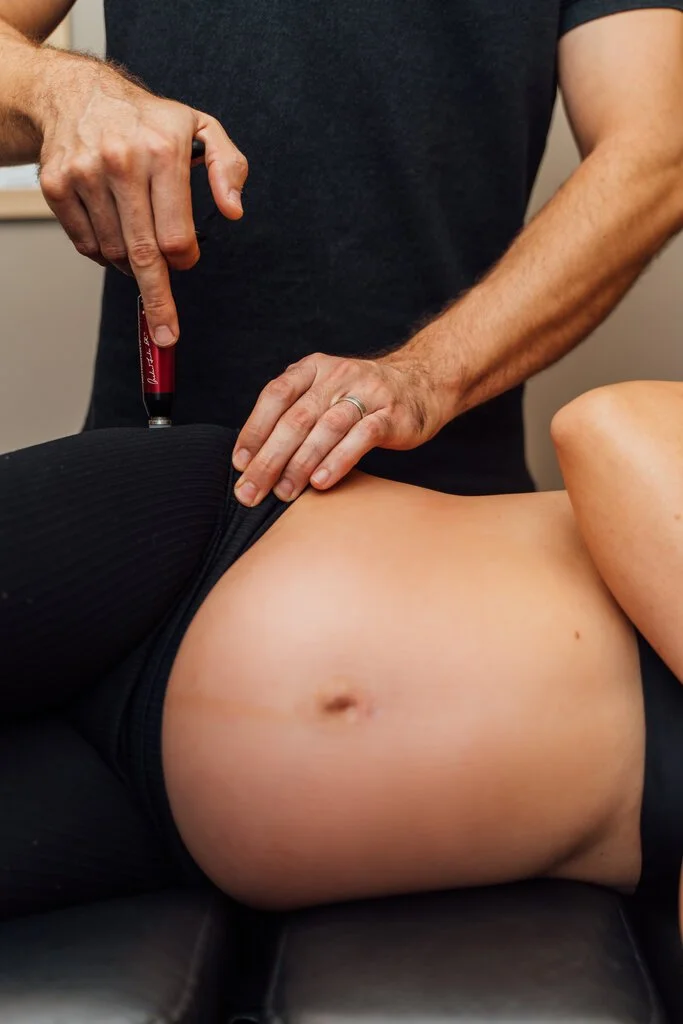
A chiropractor in North Brisbane (like us!) can assess pelvic movement, sacroiliac joint function, spinal mobility and surrounding muscle tension during pregnancy using techniques adapted for each stage of gestation. At Tan Chiro, care during pregnancy focuses on supporting comfortable movement, addressing musculoskeletal tension where appropriate and offering practical strategies to help manage daily load.
Pillow setup guidance, sleep position advice and load management strategies are all part of what we discuss with pregnant patients, alongside any hands-on care that is appropriate.
When to seek medical advice for pregnancy back pain in Brisbane?
Significant pelvic pain, symphysis pubis dysfunction or any pain that is worsening rapidly during pregnancy should be discussed with your GP or midwife. If you experience breathlessness, dizziness or heart palpitations when lying down, speak with your healthcare provider.
Sleep will not be perfect during pregnancy. But with the right positioning, enough support and where needed, some professional guidance, it can be considerably more manageable than it might feel in the worst weeks of the third trimester.
Book now to discuss pregnancy-related back or pelvic discomfort with a chiropractor at Tan Chiro.