
Winter joint pain in Brisbane: Practical ways to stay mobile and how chiropractic care may help
As temperatures drop, many people notice their bodies feel stiffer, slower and more achy than usual. Winter joint pain is a common seasonal complaint in Brisbane, even though our winters are relatively mild.
Cold early mornings, longer desk days, school runs and more time indoors with heaters on often mean less walking and fewer natural movement breaks, which can leave the spine and joints feeling tight. It is also why many people start searching for “a chiropractor near me” when winter stiffness begins to affect sleep, training or even simple daily tasks. In fact, we often see desk-bound stiffness spike in June–August, especially neck/upper-back tightness after cold mornings and long commutes.
Understanding how colder weather influences movement, and how to counter it with a few consistent habits, can help you stay mobile and comfortable through the winter months.
Why winter can increase joint and spinal stiffness
Cold weather affects the body in subtle but important ways. Research suggests that lower temperatures may reduce tissue elasticity and slow circulation, making muscles and joints feel tighter. At the same time, people tend to move less in winter, spend more time seated and delay warming up before activity.

This combination of reduced movement and increased muscle tension can aggravate pre-existing joint sensitivity or spinal stiffness. For those already managing back or neck discomfort, winter joint pain in Brisbane can feel more noticeable during colder months.
Warming up matters more than you think
In winter, the body often needs more preparation before movement. Jumping straight into activity without warming up can increase strain on joints and muscles that are already tight from inactivity or cold exposure.
Gentle warm-ups help increase blood flow, improve joint lubrication and prepare muscles for movement. Even a few minutes of mobility-based movement in the morning or before exercise can make a noticeable difference in how the spine feels throughout the day.
Try a quick three-minute warm-up before you start your day or exercise. Spend 60 seconds on gentle neck turns and shoulder rolls, then 60 seconds moving through cat-cow or slow thoracic rotations to loosen the mid-back. Finish with 60 seconds of hip circles and controlled bodyweight squats to a chair to wake up the hips and legs.
Using “movement snacks” to stay mobile
You don’t need long workouts to keep your spine moving. In winter, when motivation dips and days can feel more sedentary, “movement snacks” can make a real difference.
Stand up while the kettle boils, take a short walk while you are on a phone call, or do a quick stretch after school drop-off before you sit down to start work. These small, frequent breaks help reduce the build-up of stiffness that comes from long periods of sitting.
Heat vs cold: what helps in winter?
During colder months, heat is generally more helpful than cold for managing stiffness. Heat may assist by increasing circulation, relaxing tight muscles and improving tissue flexibility, which can make movement feel easier.
Cold therapy is typically used for acute inflammation or swelling rather than general winter stiffness. For most people experiencing winter joint pain in Brisbane, warmth combined with gentle movement tends to be more supportive than ice alone. If you have circulatory issues, reduced sensation or a recent injury, check with a clinician before using heat or ice.
How regular care may support winter mobility
When stiffness persists despite staying active, supportive care may help address underlying movement restrictions. Chiropractic care does not “fix” cold weather or prevent seasonal change, but it may help improve joint mobility and reduce mechanical stiffness that becomes more noticeable in winter.
Care may involve assessing spinal movement, posture and muscle tension, as well as providing guidance on movement habits that support mobility through colder months. The aim is to keep the spine moving comfortably rather than allowing stiffness to accumulate.
Seeing a chiropractor may help during winter when everyday aches begin interfering with work, exercise or sleep. For many people, winter stiffness is influenced by lifestyle, posture and work demands.
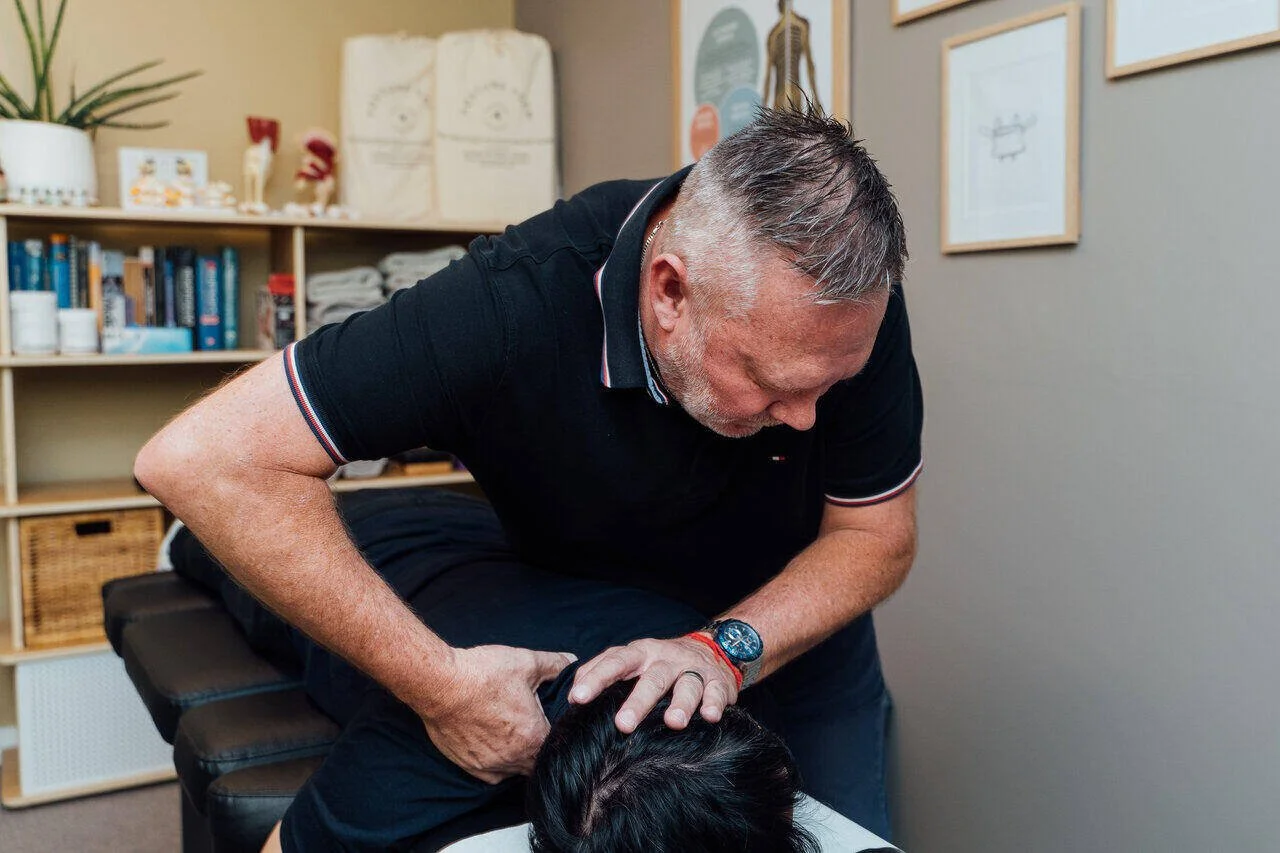
A chiropractor in North Brisbane (like us!) can assess how your spinal movement, posture and muscle tension may be contributing to seasonal stiffness. Care may include manual techniques to support joint mobility, alongside guidance on warm-ups, daily movement habits and desk or sleep positions that suit your routine. The focus is on improving how your body moves and tolerates everyday loads during winter, especially when cold mornings and reduced activity make tightness feel more noticeable.
Addressing these factors early may help reduce the chance that stiffness lingers or becomes harder to manage.
What to expect at a winter stiffness consult
At a winter stiffness consult, we will start with a brief chat about where you are feeling discomfort, when it tends to flare up and what your typical work, sleep and activity routine looks like. Your chiropractor will then check your movement and posture, including how your spine and key joints are moving, and where muscle tension may be building up.
From there, you will receive a tailored care plan that may include in-clinic treatment as well as simple home advice such as warm-ups, movement breaks and positioning tips for your desk or bed. The timeline and frequency of care varies from person to person, and your chiropractor will explain what is appropriate based on your presentation and goals.
See also: Sciatica Treatment Brisbane
Winter doesn’t have to mean slowing down or accepting stiffness as inevitable. With regular movement, appropriate warmth and supportive care when needed, many people can maintain spinal mobility and joint comfort throughout the colder months.
If you’re noticing increased stiffness this season, staying proactive may help keep your body moving well into spring.
When to seek support
If winter joint pain is persistent, worsening or limiting your ability to move comfortably, further assessment may be helpful. Seek prompt medical advice if you have sudden swelling, unexplained fever, numbness, weakness, or pain after a fall. Early support can help maintain mobility and prevent seasonal stiffness from becoming a recurring issue each year.
Book a consultation with Tan Chiro to discuss whether supportive care may help you stay mobile this winter.