
A sudden ‘locked’ neck can make everyday movements unexpectedly difficult. You might wake with your head tilted to one side or feel sharp discomfort when turning to look over your shoulder. Sometimes there is an obvious trigger, but the restriction can also develop without a clear injury.
Often described as acute wry neck, this pattern can involve painful muscle spasms and difficulty straightening or rotating the head. However, ‘locked neck’ describes a symptom rather than a diagnosis. Understanding the possible causes, recognising warning signs and knowing what to do during the first 24 to 48 hours can help you choose an appropriate next step.
What does a ‘locked’ neck mean?
The sensation of locking does not necessarily mean a bone has moved out of place or needs to be clicked back. Muscle spasm and pain can make movement feel blocked, even when there is no physical obstruction.
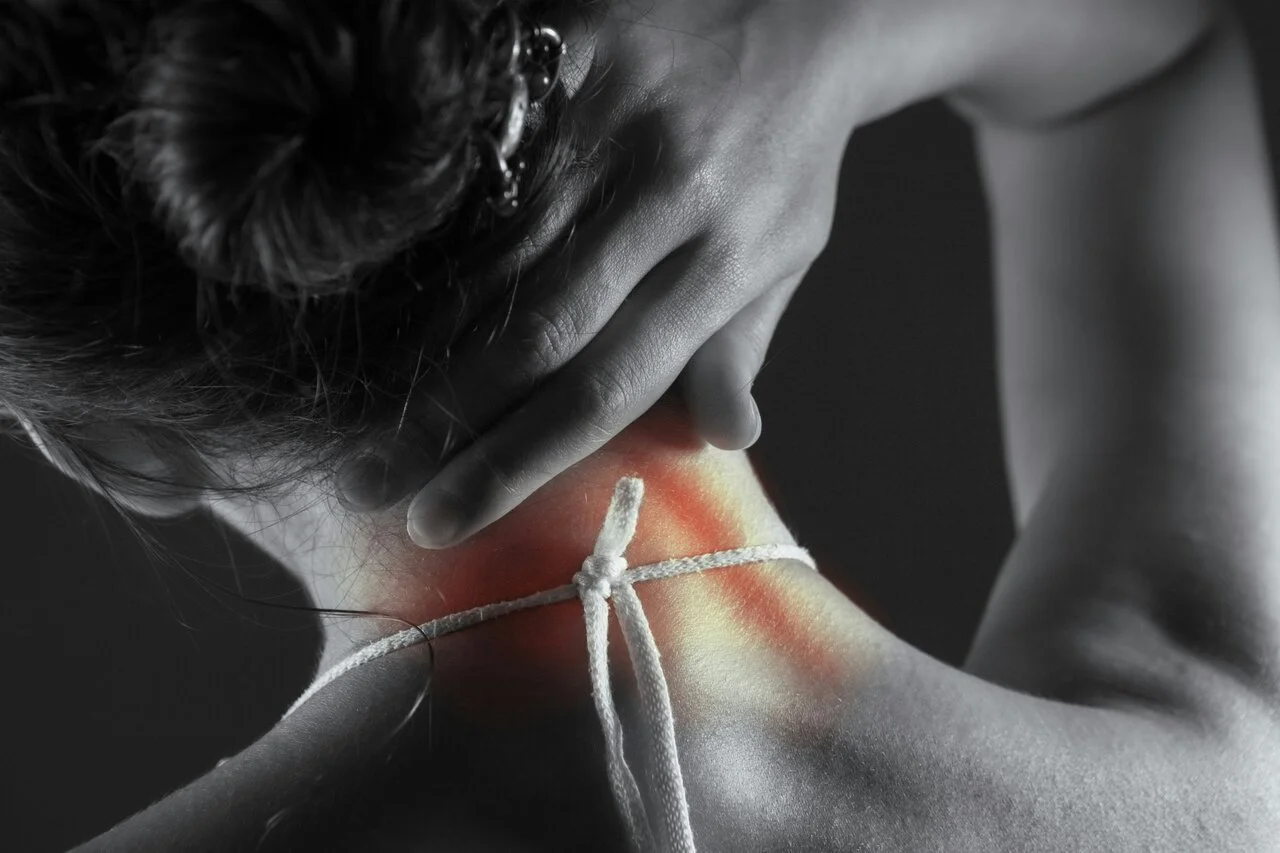
Wry neck, also called torticollis, can cause the head to twist or tilt to one side. Healthdirect describes it as a physical sign with several possible causes. A temporary episode after sleeping awkwardly differs from persistent or recurring involuntary neck movements, which need medical assessment.
Common causes of sudden neck restriction
Awkward sleeping or resting positions
Sleeping with your neck turned for a prolonged period can leave it painful and difficult to move. This may happen after sleeping on your stomach, dozing upright during travel or using a pillow that does not comfortably support your head.
An unfamiliar sleeping position can also contribute to acquired wry neck. Waking with stiffness does not establish the precise cause, though, particularly if symptoms are severe or accompanied by other changes.
Muscle strain and sustained positions
A muscle strain or prolonged time at a computer can contribute to neck pain. Sometimes symptoms become noticeable after an ordinary movement rather than during a demanding activity.
Spending hours looking down or holding your head turned towards a screen may also aggravate discomfort. Consider how long you remain in one position, rather than assuming there is one perfect posture you must maintain throughout the day. Regular changes of position are useful.
Joint changes or nerve irritation
Age-related changes in the neck can contribute to pain and stiffness. Nerve irritation is another possibility, particularly when neck symptoms occur alongside pain travelling into the arm, tingling or numbness.
These symptoms should not automatically be labelled a simple muscle spasm. New or worsening changes in sensation or strength require medical assessment to establish what is happening and whether further investigation is needed.
Check for warning signs first
Before trying exercises or booking routine treatment, consider whether your symptoms need urgent attention. Sudden severe neck pain, pain following significant trauma or neck pain with chest pain, breathlessness or sweating warrants emergency help. Call 000.
Seek urgent medical care for neck pain accompanied by fever, a severe unusual headache, confusion, difficulty swallowing, visual changes, loss of balance or new limb weakness. New numbness or tingling also needs prompt assessment. These symptoms should not be managed as ordinary wry neck at home.
What to do in the first 24 hours
Keep movement gentle
For uncomplicated neck pain without an injury or warning signs, gentle movement is generally preferable to complete bed rest. Continue manageable activities and try small, comfortable head movements rather than repeatedly testing how far you can turn.
Do not push into sharp pain, pull your head with your hands or ask someone to force it straight. If movement produces dizziness, arm symptoms or worsening pain, stop and seek advice.
Try warmth or a cold pack
A wrapped warm pack may ease discomfort, while some people prefer a wrapped cold pack. The NHS suggests cold for around five minutes or warmth for around 20 minutes.
Keep a towel between the pack and your skin and follow the product instructions. Avoid falling asleep with a pack in place. Choose whichever feels soothing rather than continuing something that increases your discomfort.
Modify activities and ask about pain relief
Temporarily reduce heavy lifting, overhead work and activities that repeatedly aggravate symptoms. Avoid driving or cycling if restricted head movement prevents you from checking traffic safely.
A pharmacist can advise whether an over-the-counter pain medicine is suitable for you. Follow the label and discuss existing medicines, pregnancy or health conditions before choosing a product. Pain relief should support comfortable activity, rather than encourage you to push through worsening symptoms.
What to do over the next 24 to 48 hours
Continue gentle activity and gradually resume ordinary tasks as comfort allows. Change position regularly and bring screens closer to a comfortable viewing height. At night, use a pillow that supports your head without pushing it sharply upwards or letting it drop sideways.
Look for gradual changes in comfort and movement rather than expecting complete recovery within two days. Some uncomplicated episodes take longer to settle. Arrange an assessment sooner if pain is worsening, remains difficult to manage or significantly disrupts sleep and daily activities. Do not wait for a particular deadline if you are concerned.
See also: TMJ specialist Brisbane
Seeking help for acute neck pain in Brisbane
If neck discomfort keeps returning, a chiropractor in North Brisbane (like us!) can assess your symptoms and discuss whether conservative care or referral is appropriate. Assessment should come before any treatment decision.
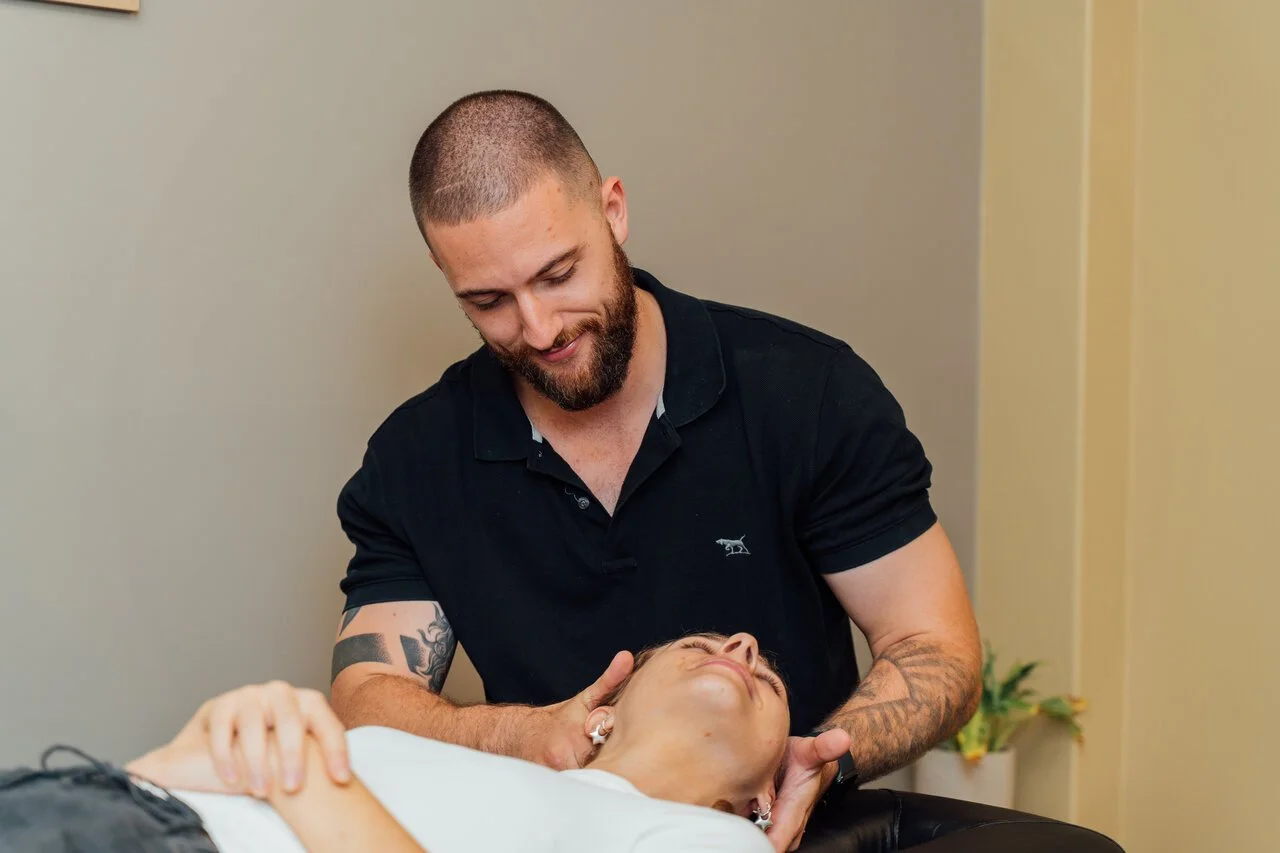
When choosing a wry neck chiropractor, ask about the examination, proposed care and alternatives. A ‘locked’ feeling alone does not establish which treatment you need. Also, if you’re a new parent and curious about what to expect at a chiropractic appointment for your baby, see our Baby Chiropractor Brisbane page for more information.
At Tan Chiro in Chermside, you can discuss your neck restriction and its impact on everyday activities. Call 07 3350 3800 to arrange an assessment and discuss suitable next steps. Book now!