
Lifting a baby from the cot, carrying a toddler through the car park and loading a pram into the boot can add up to a physically demanding day. These movements often happen repeatedly, with little opportunity to rest between them.
Back discomfort can make caring for children harder, particularly while recovering from birth. For parents seeking help with mum back pain in Brisbane, a useful starting point is reviewing everyday tasks alongside recovery needs. Small changes may make lifting and carrying more manageable, without expecting you to follow a perfect routine.
Why everyday parenting tasks can become uncomfortable
Back pain does not always have one identifiable cause. A sudden increase in physical demands, including lifting children, can contribute to symptoms. Stress and reduced opportunities for exercise may also play a part. Pain alone does not establish that you have damaged your spine.

For new mums, these demands arrive during recovery from pregnancy and birth. NSW Health advises that physical recovery can take months and may take longer following a caesarean. Daily responsibilities therefore need to be considered alongside healing, rather than treating the return home as a return to normal capacity.
Lifting your baby with less reaching
Before picking up your child, move as close as the space allows. Place your feet securely, bend through your hips and knees and bring your baby towards your body before standing. When changing direction, move your feet rather than twisting while holding the weight.
Avoid rushing straight from an awkward reach into a lift. If toys, bags or furniture block your approach, clear them first. WA Health recommends keeping loads close, avoiding twisting and continuing to breathe while lifting. These are practical ways to make everyday handling more manageable.
If lifting your baby causes back pain repeatedly, consider which part feels difficult: reaching down, standing up or carrying afterwards. This information can help a clinician understand the problem rather than offering the same advice for every movement.
Making cot and change-table tasks easier
Where possible, organise changing supplies within easy reach and use a suitable change surface around waist height. Keep one hand on your baby and never leave them unattended on a raised surface. The Royal Women’s Hospital recommends waist-height working surfaces to reduce repeated bending during baby care.
Cot safety must remain the priority. Follow the manufacturer’s mattress-height instructions and lower the base when required for your child’s development. Do not raise it beyond the safe setting to make lifting easier. If reaching into the cot is painful, ask another adult to help while you seek individual advice.
Carrying children without staying in one position
A toddler may want to be carried long after they become comfortable walking. Where developmentally appropriate, invite them to walk short sections or climb onto your lap while you are seated, rather than lifting them from the floor each time.
For longer cuddles, sitting down can reduce the amount of carrying required. Try changing position before discomfort builds rather than continuing until you need to stop abruptly. Sharing carrying duties also creates opportunities for a break.
Capsules and prams need their own lifting plan
A capsule can be awkward because its weight sits away from your body. WA Health recommends limiting capsule carrying and using an appropriate alternative, such as a pram, where practical. Follow the restraint manufacturer’s instructions whenever removing or reinstalling equipment.
Before loading a folded pram, remove loose bags and check its lifting instructions. Position yourself close to the boot and ask for help if the weight or reach exceeds what you can comfortably manage.
When walking, adjust the handle to a comfortable height so you are not continually reaching forwards. Keep bags in the designated storage area rather than hanging heavy items from the handles, which can make a pram tip. Apply the brake during transfers and secure your child with the harness.
Recovery involves more than lifting technique
Practical support matters, especially during the early weeks. Asking someone to carry shopping, lift a pram or manage an older child can reduce demands while you recover. Your maternity team’s individual restrictions take priority, particularly following surgery or significant birth injuries.
As recovery allows, gentle walking and an individually suitable exercise programme can help you rebuild activity gradually. Start with manageable amounts and seek advice before strenuous exercise after a complicated delivery or caesarean.
Comfort between lifts matters too. During feeds, support your feet and bring your baby towards you with suitable support, rather than spending the whole feed leaning forwards. The Royal Women’s Hospital includes supported feeding positions in its postnatal back-care advice.
When should you seek an assessment?
Arrange an assessment if pain keeps returning, worsens or interferes with sleep and caring for your child. Pelvic heaviness, urinary leakage or ongoing abdominal or perineal discomfort also deserve discussion with your GP or a pelvic health physiotherapist.
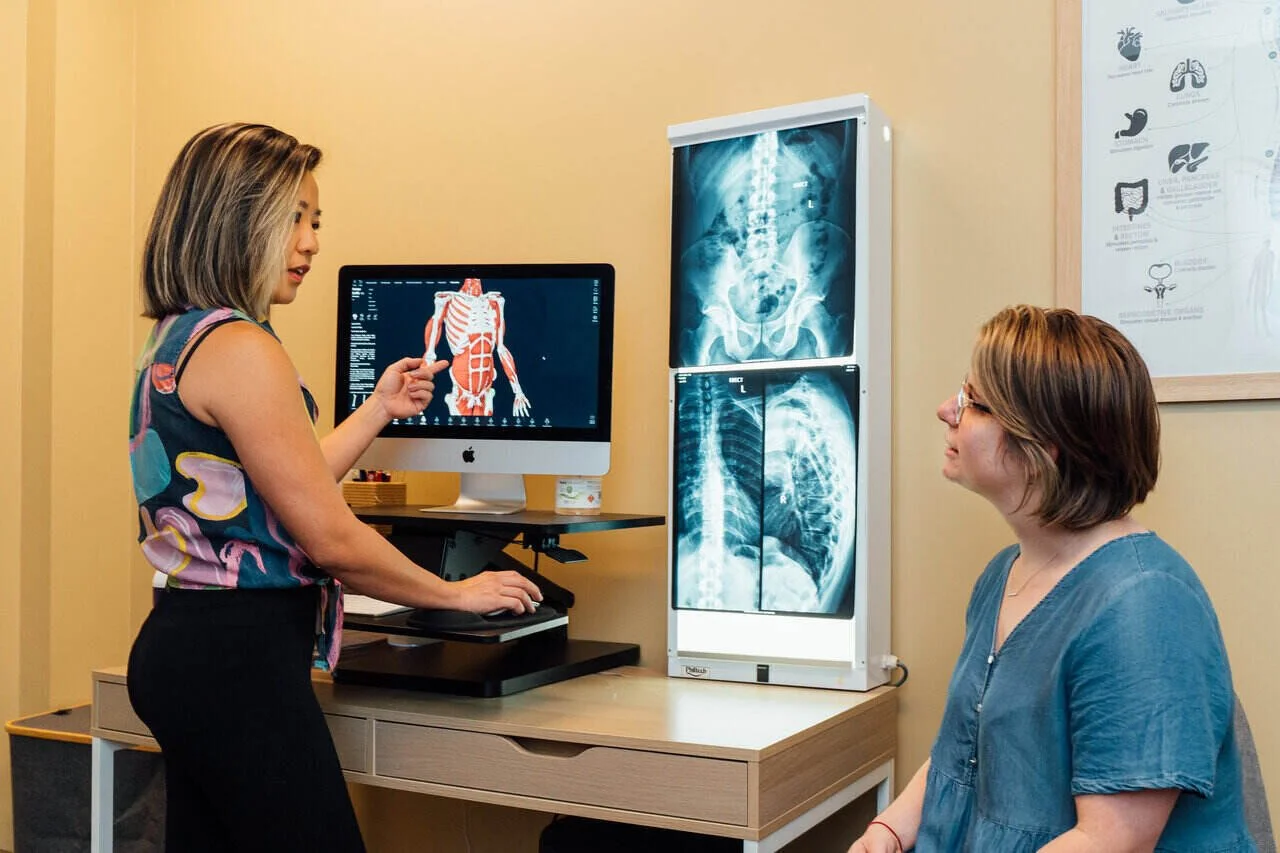
Seek urgent medical care for back pain with new bladder or bowel control changes, numbness around the groin or significant leg weakness. Fever with back pain or pain following a serious injury also requires prompt attention. These symptoms need medical assessment rather than routine movement advice.
Also, if your baby consistently turns their head to one side or seems more comfortable feeding on one side, our Baby Chiropractor Brisbane page explains what an assessment may involve and what to discuss with your child’s healthcare provider.
See also: Sciatica Treatment Brisbane.
Support for mum back pain in Brisbane
If lifting discomfort keeps returning, a chiropractor in North Brisbane (like us!) can assess your symptoms and discuss whether conservative care or referral is appropriate. Assessment should consider your birth recovery, daily responsibilities and goals, rather than assuming every parent needs the same treatment.
At Tan Chiro in Chermside, the focus can begin with understanding which tasks are difficult and discussing suitable next steps. Call 07 3350 3800 to arrange an appointment. Book now.