
Postnatal recovery roadmap (0–12 months): Pelvic floor support and postnatal chiropractor care in Brisbane
The months following childbirth are often described as a time of recovery, yet for many women, postnatal changes extend far beyond the early weeks. Between feeding, carrying, disrupted sleep and gradual return to movement, the body is adapting constantly throughout the first year. Understanding how posture, core engagement and pelvic floor support evolve over time can help new mothers recover more comfortably and reduce the risk of longer-term issues.

A structured, realistic recovery roadmap allows postnatal care to progress alongside the demands of everyday life, rather than feeling like something that must wait until everything settles down. Support from a postnatal chiropractor may form part of this process.
Understanding postnatal changes during recovery
Pregnancy and childbirth place significant demands on the spine, pelvis and abdominal wall. Musculoskeletal alterations, such as changes in spinal curvature, separation of abdominal muscles, and pelvic floor loading, are documented to continue for several months post-delivery. This persistence is especially notable when recovery is accelerated or lacks adequate support.
While some discomfort is expected early on, ongoing lower back pain, pelvic heaviness or postural strain are not simply things to push through. These symptoms often reflect how the body is adapting to new movement patterns rather than an isolated injury.
Posture while feeding and carrying during postnatal recovery
In the early months, feeding and carrying account for a large proportion of daily movement. Prolonged sitting during feeding, often with rounded shoulders and forward head posture, can place sustained strain on the neck, upper back and lower spine. Similarly, repetitive asymmetrical carrying may gradually overload one side of the pelvis or hips.
Poor postural habits can contribute to back or pelvic discomfort over time. To reduce cumulative strain and support a more balanced recovery, subtle adjustments in postural awareness are beneficial. This includes varying feeding positions, ensuring proper arm support, and alternating the side on which you carry your baby.
See also: Sciatica Treatment Brisbane
Core re-engagement and pelvic floor support during postnatal recovery
Postnatal recovery is not about switching the core back on quickly but about gradual re-engagement of the deep stabilising muscles that support the spine and pelvis. Evidence-based rehabilitation approaches emphasise coordination between the diaphragm, pelvic floor and abdominal muscles rather than isolated strengthening.
Pelvic floor support plays a central role in this process. Difficulty activating these muscles or returning to higher-load tasks too early may increase the risk of back pain or pelvic discomfort. For many women, guided support from a physiotherapist or postnatal chiropractor in Brisbane can help identify movement patterns that may be limiting recovery.
Returning to exercise safely in postnatal recovery
Returning to exercise is often an important goal for postnatal wellbeing, but timelines vary significantly. Factors such as delivery type, sleep quality, previous fitness levels and pelvic floor recovery all influence readiness.
A successful return to activity is best achieved through a gradual approach, starting with low-impact exercises and increasing intensity as your body adapts and tolerance improves, rather than adhering to a strict, specific timeline. Persistent pain, pressure or instability during exercise may signal that the body requires further support before increasing load.
Team-based care in postnatal recovery
Postnatal recovery is rarely one-dimensional. Collaboration between healthcare professionals, including GPs, women’s health physiotherapists and chiropractors, allows care to be tailored to individual needs. Chiropractic care does not replace pelvic health physiotherapy or medical assessment, but may assist by addressing spinal mobility, postural strain and movement restrictions that influence comfort during recovery.
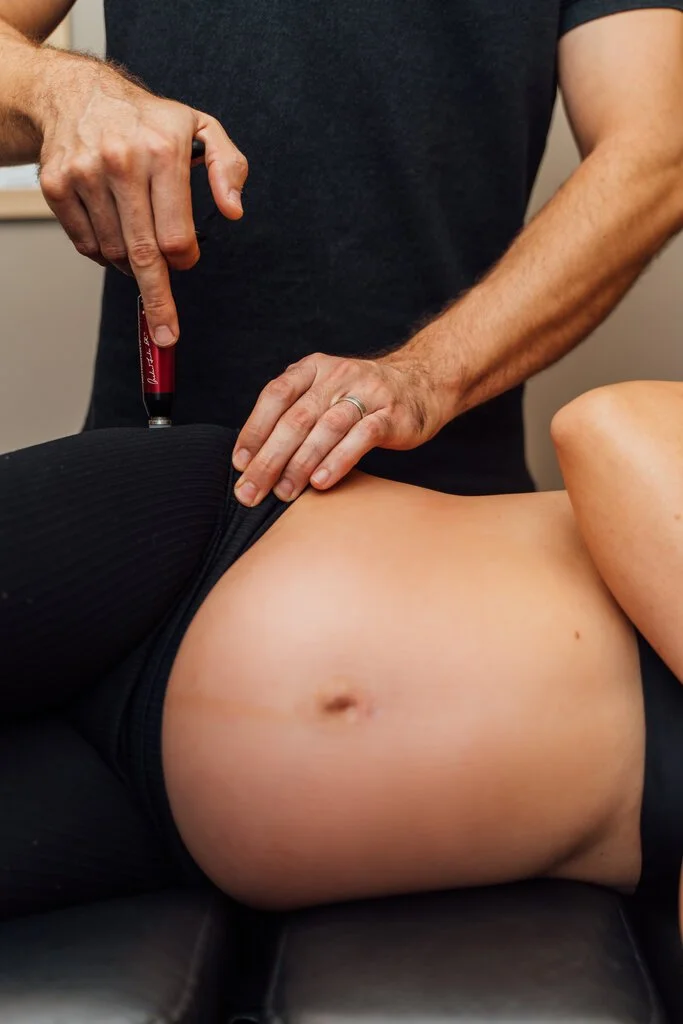
This team-based approach supports both physical recovery and confidence in returning to daily activities.
When to book a postnatal chiropractor in Brisbane
If discomfort persists beyond the early months, or if pain interferes with feeding, carrying or sleep, further assessment may be appropriate. A postnatal chiropractor (such as a North Brisbane chiropractor like us!) can assess how postural changes and spinal mechanics may be contributing to symptoms and work alongside other providers where needed.
Book a consultation with Tan Chiro now to discuss whether supportive postnatal care may be appropriate for you.