
How can a sports chiropractor in Brisbane help you run without pain in calves, knees & hips
Running is one of the most accessible forms of exercise, yet it is also associated with a high rate of overuse injuries. Pain in the calves, knees or hips often develops gradually, emerging after increases in training volume, changes in terrain or accumulated fatigue rather than a single incident.
Understanding how load, movement patterns and recovery interact can help runners reduce injury risk and maintain consistency over time.
Common overload patterns in runners
Most running injuries are related to how force is absorbed and transferred through the lower body. Research consistently links running-related pain to training errors, such as sudden increases in mileage or intensity, as well as bio-mechanical factors including stride length, cadence and joint mobility.
Calf pain often reflects increased demand on the lower leg when training volume rises quickly. Knee discomfort may be associated with repetitive loading and altered hip control, while hip pain can develop when stabilising muscles fatigue and compensatory movement patterns emerge.
Cadence, footwear and load management to avoid running injuries
Small adjustments in running mechanics can influence how stress is distributed across joints and soft tissue. Studies suggest that modest increases in cadence may reduce impact forces at the knee and hip, though changes should be gradual to avoid shifting load elsewhere.
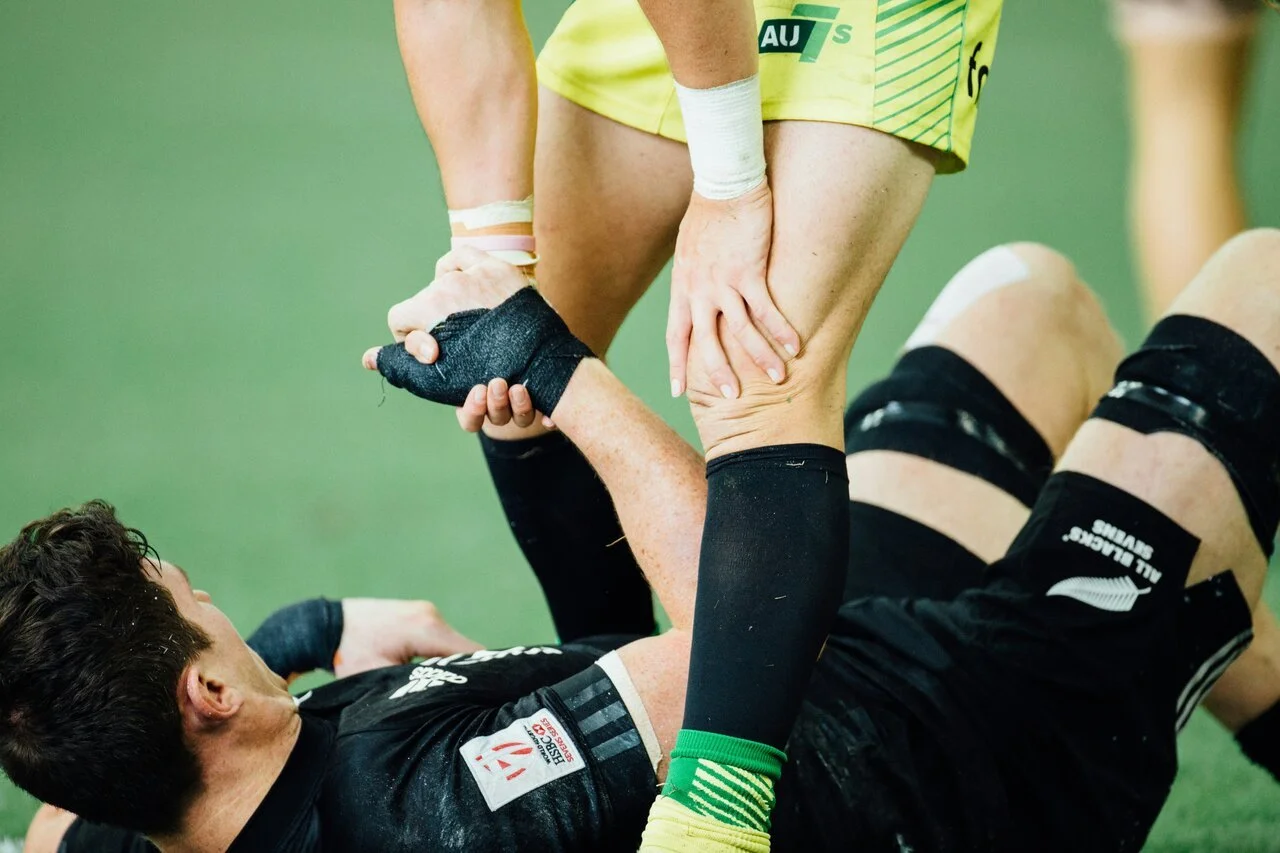
Footwear also plays a role, particularly when transitioning between shoe types or levels of support. Rather than a single correct shoe, research supports choosing footwear that complements individual biomechanics and training demands, with adequate time for adaptation.
See also: TMJ Specialist Brisbane
Mobility, strength and recovery for runners
Running places repetitive demand on the same tissues, making recovery strategies just as important as training itself. Limited mobility at the ankle or hip may increase strain elsewhere, while insufficient strength can reduce the body’s ability to tolerate load.
Incorporating targeted mobility and strength work can support running mechanics, but persistent pain may indicate that underlying movement patterns require assessment rather than continued self-management.
When to book a tune-up with a sports chiropractor in Brisbane
Ongoing pain, asymmetry or recurring injuries are signs that further evaluation may be beneficial. A sports chiropractor (such as a North Brisbane chiropractor like us!) does not fix running injuries in isolation but may help identify joint restrictions, movement inefficiencies or load-management issues contributing to symptoms.
For runners in Brisbane, chiropractic care can be one component of a broader injury-management plan, working alongside physiotherapists, coaches or medical practitioners where appropriate.
Staying consistent without pain
Pain-free running is rarely about eliminating discomfort entirely but about recognising early warning signs and responding appropriately.
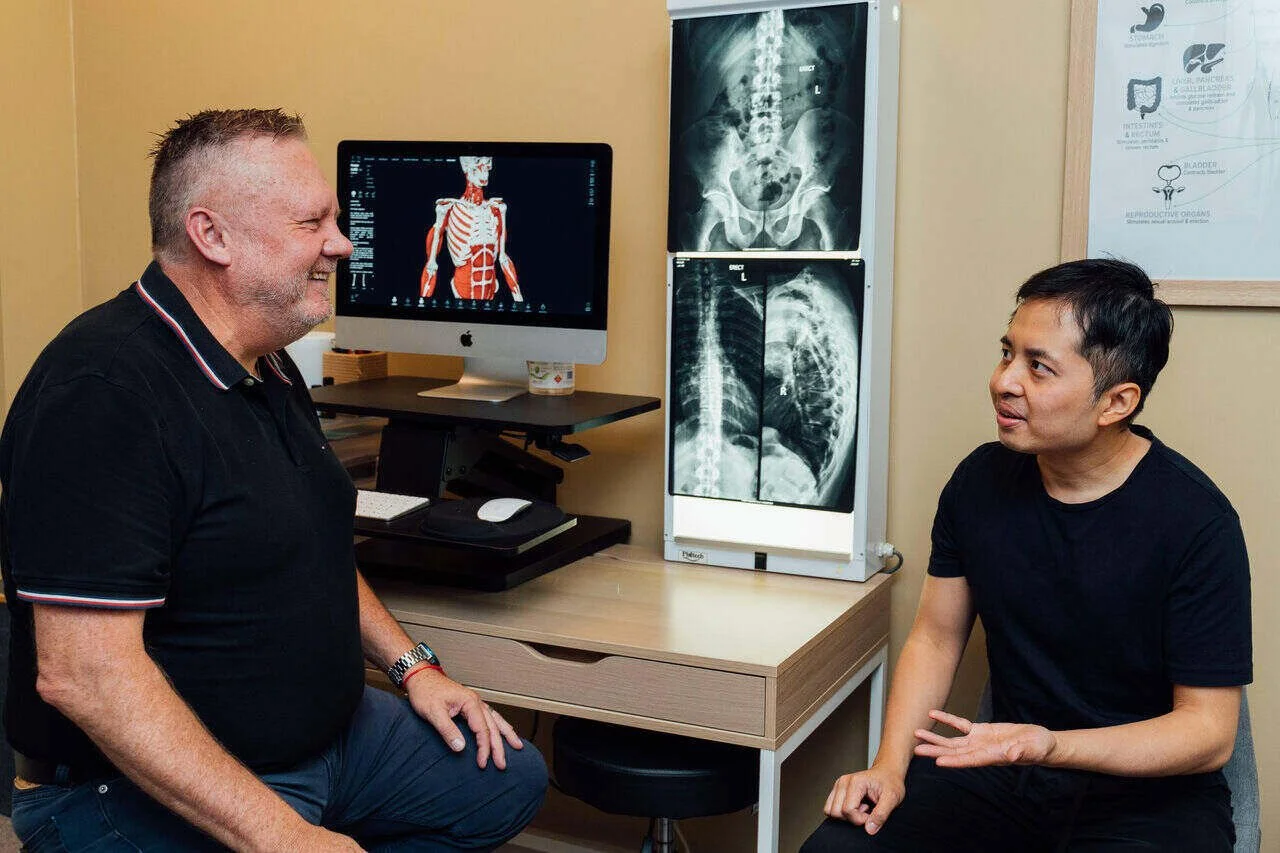
With informed load management, supportive care and realistic recovery strategies, many runners are able to maintain training while reducing the likelihood of persistent injury.
Book a consultation with Tan Chiro now to discuss whether a running-focused assessment may help support your training.