
Chiropractor for athletes: Sports recovery in Brisbane for AFL, Rugby & Netball
Mid-season is often where physical load, fatigue and performance expectations collide. AFL, rugby and netball players have less time to recover because training volumes stay high during the peak of competition. It is common to feel tight, sore or slower to bounce back at this point of the season, but it helps to understand the difference between normal training soreness and early injury signs if you want to stay available for the weeks ahead.
Rather than pushing through everything, athletes tend to perform better when they can manage load, recover consistently and recognise when an assessment is worth considering. A useful place to start is understanding the difference between delayed onset muscle soreness (DOMS) and injury-related pain.
Understanding the distinction between DOMS and injury
A common reaction to training load is delayed onset muscle soreness (DOMS), especially following modifications in running volume, contact or intensity. DOMS usually manifests 24 to 72 hours after an activity, feels achy or dull and progressively gets better with time and movement.
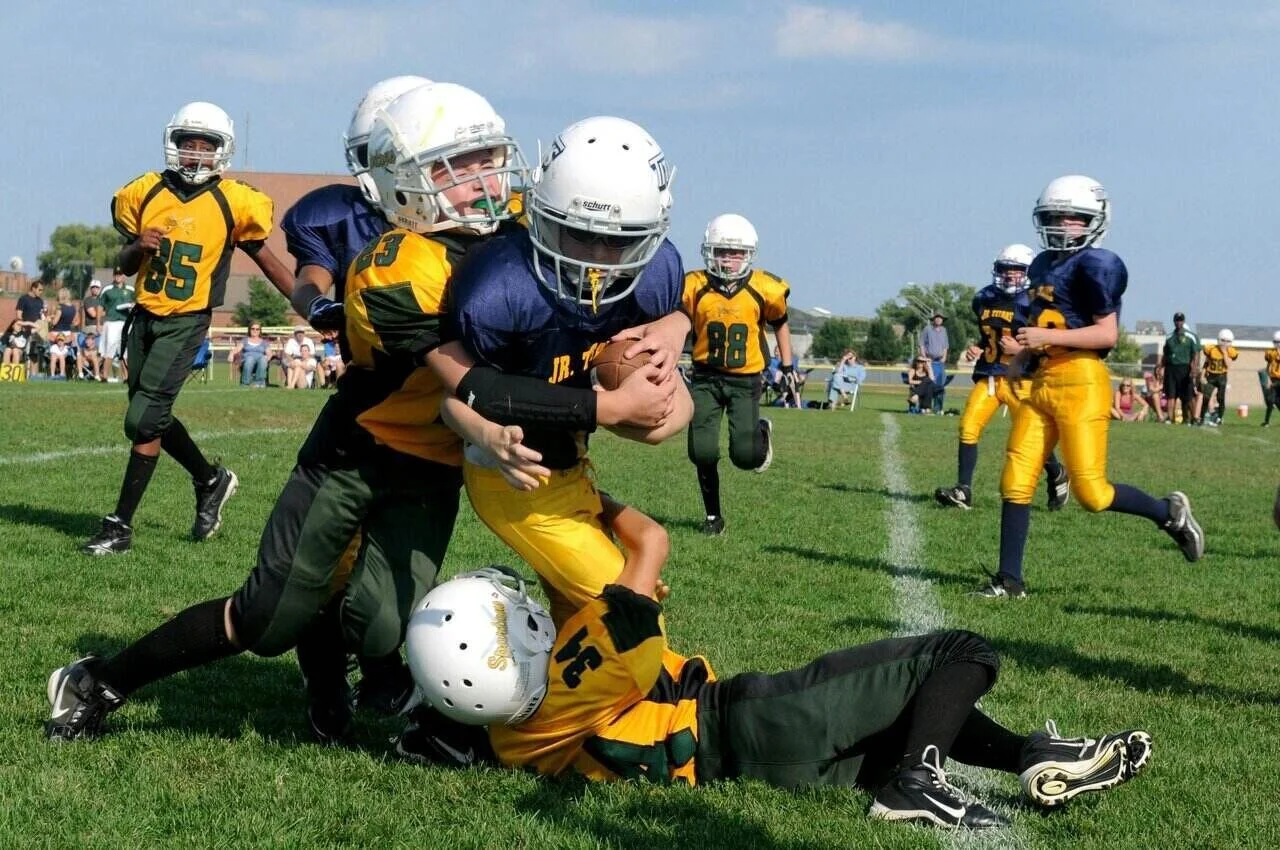
On the other hand, pain from injuries frequently feels more intense, localised or gets worse as you move. Pain that alters running mechanics, limits range of motion, causes instability or does not improve between sessions may indicate more than normal soreness. Mid-season is also when athletes are more likely to ignore these signs because competition demands are high, which can increase the chance of a longer-term issue.
If you are training multiple times per week, being able to tell the difference between DOMS and injury is an important part of effective sports recovery in Brisbane.
Why does weariness increase in the middle of the season
By the middle of the season, cumulative load has a significant impact on how the body feels. Joints, muscles and connective tissue are continuously stressed by high-speed running, contact, jumping and direction changes. Recovery time between sessions may be shortened, especially when matches, travel and work or study commitments stack up
Muscle imbalances or minor mobility limits may become more apparent if rehabilitation is inadequate. This indicates that the body might be reaching its limits, but it does not imply that anything is "wrong".
The role of deload weeks in performance
Deload weeks are planned reductions in training load designed to allow recovery without losing fitness. Research in sports performance consistently shows that strategic reductions in volume or intensity can support neuromuscular recovery and reduce injury risk across long seasons.
For team sport athletes, deloading does not necessarily mean stopping training. It may involve reduced contact, fewer high-speed efforts or adjusted gym loads. When used appropriately, deload weeks can help athletes return to competition feeling fresher and more resilient.
Easy rehab techniques that add up
There is no single recovery method that works on its own. Over the course of an extended season, consistent behaviours frequently yield the greatest results. Sleep, hydration and nutrition support tissue recovery and nervous system regulation. Maintaining joint range and lowering stiffness may be facilitated by mild mobility exercises and modest movement in between sessions.
Recovery plans should be tailored to the athlete's current workload. As fatigue builds up in the middle of the season, what worked earlier may need to be adjusted. Listening to early warning signs is part of sustainable performance, not a sign of weakness.
When a mid-season evaluation could be beneficial
Even if there is no specific issue, mid-season is a great time to evaluate. Before they develop into time-loss injuries, an evaluation can assist in identifying areas of elevated strain, asymmetries or mobility limits.
A chiropractor for athletes may support sports recovery by assessing joint mobility, spinal movement, muscle tension and how these factors relate to training load and performance. This does not replace coaching, physiotherapy or medical care. It is one part of a wider support team, with a focus on conservative care and helping you move and train well.
A sports-focused chiropractor in North Brisbane (like us!) works with athletes to understand how training load, match demands and recovery habits are affecting the body during the season and how small adjustments may help support ongoing performance.
When to seek further care
If pain is persistent, worsening or linked with instability, weakness, pins and needles, night pain or a clear drop in performance, a timely assessment is recommended. Early intervention often allows athletes to modify load and recover while remaining involved in training, rather than being forced into extended time off later.
Clear communication between athletes, coaches and healthcare providers supports more effective decision-making throughout the season.
See also:TMJ Specialist Brisbane
Final thoughts
In the AFL, rugby and netball, mid-season discomfort is typical, but it shouldn't be disregarded or accepted without explanation. Athletes can stay resilient as the season goes on by knowing the difference between DOMS and injury, strategically utilising deload weeks and adhering to basic healing practices.

If you are feeling run down mid-season, or you are unsure whether your discomfort is normal workload or something more, a sports recovery Brisbane assessment may help clarify your next steps.
Book now to discuss whether a mid-season check-in may support your performance and recovery.