
School holiday travel tips from a family chiropractor in Brisbane
Long car trips, flights and nights in unfamiliar beds are common during school holidays. Travel is meant to feel like a break, but prolonged sitting, awkward sleeping positions and disrupted routines can leave both adults and children feeling stiff. Back and neck discomfort is common during or after travel, especially when movement is limited for long periods
Families can travel more comfortably by supporting good travel posture and using simple movement breaks.
Why travel can trigger back and neck discomfort
Travel places the body in positions it is not used to holding for long periods. In cars and planes, seats often encourage slouched posture, reduced spinal movement and prolonged muscle tension. Joints can stiffen, circulation can slow and minor imbalances may become more noticeable.
Hotel beds and pillows may also alter usual sleeping posture, which can contribute to morning stiffness or neck pain. For families travelling together, children may spend long periods seated or sleeping in awkward positions, making post-travel discomfort more likely.
Many Brisbane residents don't realise they have poor posture while travelling until they reach their destination or get back home.
Car and plane seating: Small adjustments, big impact
Seat setup can make a real difference to spinal comfort on long drives and flights. You can reduce unnecessary strain by keeping your head stacked over your shoulders and supporting the natural curve of your lower back.
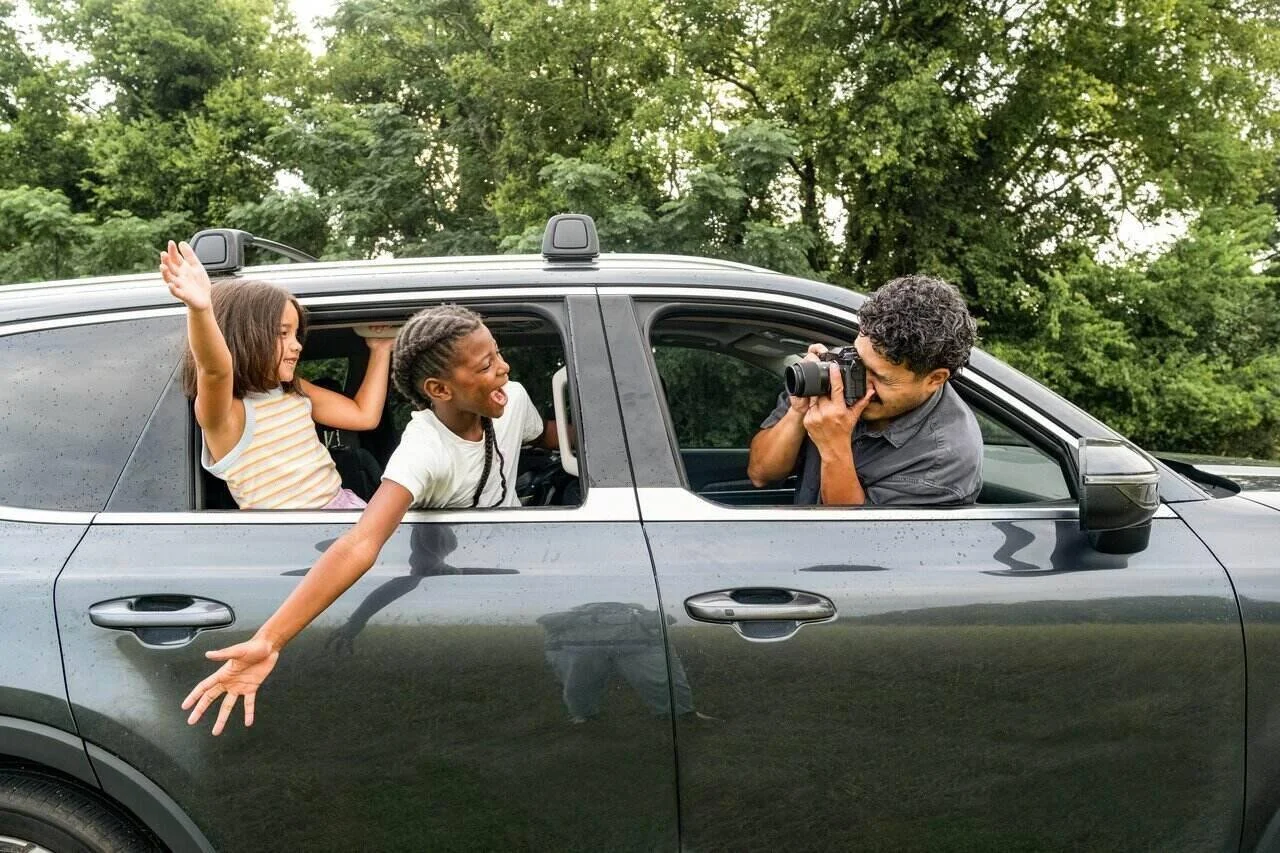
Aim for hips slightly higher than knees, feet supported and avoid leaning to one side for long periods.On flights, avoid staying rigid. Stand when you can and gently shift position to reduce stiffness from prolonged sitting.
Long trips can be easier to handle with these minor tweaks, especially when paired with frequent mobility.
Tips for using pillows and bedding in lodging
Hotel pillows and mattresses vary, which can affect how your neck and back feel overnight.If needed, use a rolled towel or extra pillow to support your lower back or neck.
Supporting the area between the waist and mattress helps lessen side-bending of the spine during the night for those who sleep on their side. Additionally, children may benefit from little pillow alterations, especially if they are accustomed to a particular sleeping arrangement at home.
The goal is “good enough” support so your body can rest between travel days, not perfection.
A short mobility routine for extended journeys
One of the best strategies to combat travel stiffness is movement. Reintroducing circulation and joint motion during rest periods, airport layovers or hotel check-ins can be facilitated by gentle spinal movement and mild stretching.
Stiffness from long periods of sitting may ease with simple mobility, such as gentle hip movements, shoulder rolls and slow trunk rotation.It is frequently more beneficial to exercise lightly and frequently rather than waiting until discomfort becomes severe.
These habits support healthier travel posture and may reduce post-trip soreness for both adults and children.
How family-focused care may support travel comfort
If travel-related discomfort lasts more than a few days, an assessment may be helpful. Extended sitting and disrupted sleep can highlight posture habits, mobility restrictions and muscle tension. Chiropractic care may support comfort and movement, but it does not replace medical care when symptoms are severe or worsening.
A family chiropractor can work with both children and adults, taking into account different routines, body sizes and activity levels.The goal of conservative and supportive care is to enhance comfort and mobility rather than to treat specific symptoms.
During busy school holiday periods, a family chiropractor in North Brisbane (like us!) can help you understand how sitting, sleeping and travel habits may be affecting your spine.
See also: TMJ Specialist Brisbane
When to seek further support
If back or neck pain is persistent, worsening or comes with tingling, weakness, numbness or pain that radiates into the arms or legs, prioritise medical assessment.

Early support can help prevent short-term stiffness from becoming an ongoing issue.
Final thoughts
School holiday travel doesn’t have to mean sore backs and stiff necks. With simple seat adjustments, supportive pillow hacks and regular movement, many families can stay comfortable even on long journeys.
Book now to discuss whether family-focused, conservative care may be appropriate.