
Toddler injury assessment: How a chiropractor may guide parents after a fall
Falling is a normal and unavoidable part of being a toddler. The developmental stage between first steps and confident running involves an enormous amount of trial and error and tumbling. Most parents become fairly practised at staying calm through the inevitable bumps and bruises of this period.
But most parents also know that not all falls feel the same. Some are clearly minor. Others leave you wondering whether something is actually wrong, even when your child has stopped crying and seems to have moved on. Knowing what is normal, what warrants monitoring and when to seek assessment can take some of the uncertainty out of that judgment call.
Why toddlers fall
The developmental period between roughly twelve months and three years involves rapid and significant changes to balance, coordination and strength. A toddler who has just started walking is working with limited proprioception, an immature vestibular system and motor control that is still being refined with every step.
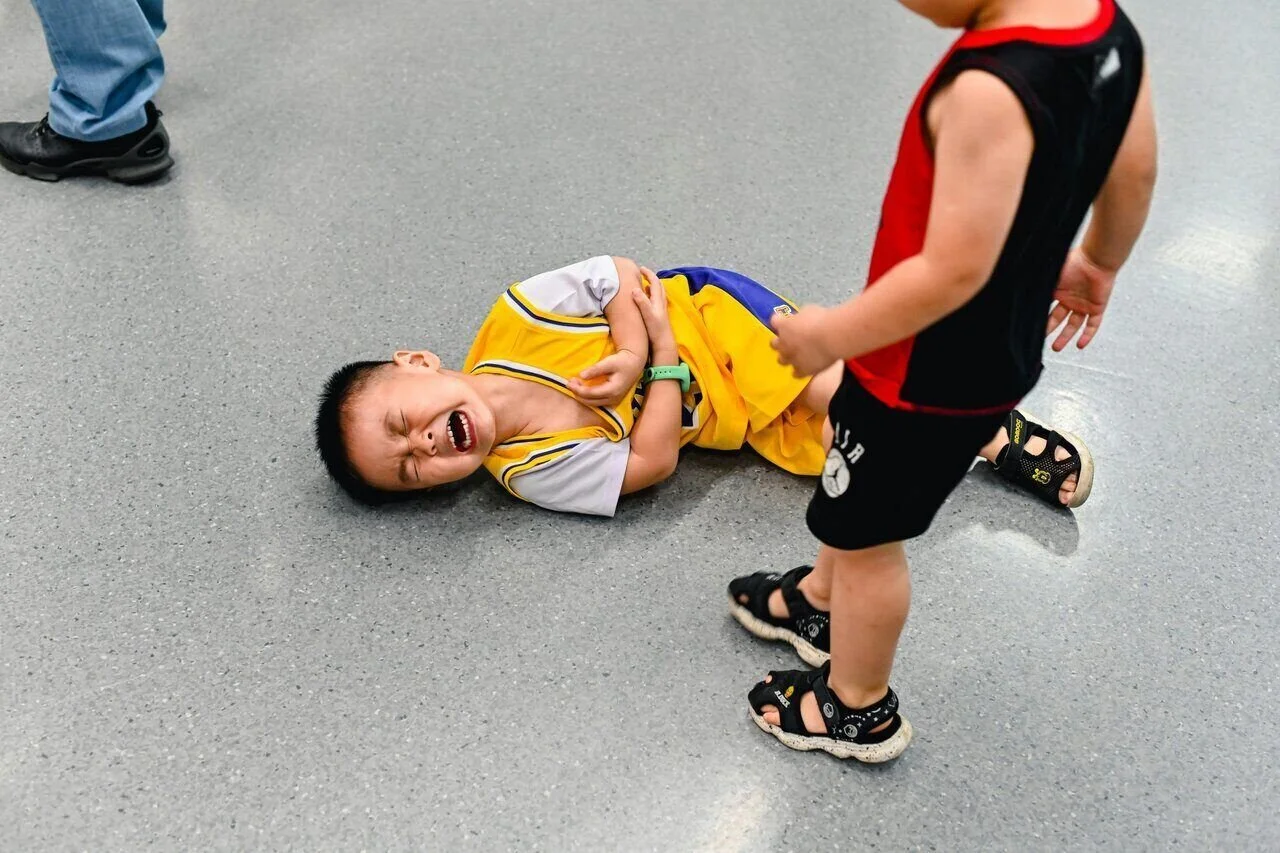
Falling during this period is not a sign that something is wrong. It is a sign that the nervous system and musculoskeletal system are actively developing. The frequency of falls tends to decrease as coordination and balance mature, though individual variation is significant.
What is normal after a fall
After most minor falls, toddlers will cry briefly, seek comfort and then return to activity relatively quickly. Crying immediately after a fall is generally a reassuring sign. It indicates consciousness and neurological response.
Minor bruising, a small bump on the head or temporary limping that resolves within minutes are all within the range of what is considered normal after a low-level fall. Young children's bones are more flexible than adults', which means they tend to absorb impact differently and fractures from minor falls are less common, though not impossible. In the hours following a minor fall, most toddlers return to their usual behaviour, appetite and energy levels without difficulty.
Signs that warrant closer monitoring: Toddler Injury Assessment in Brisbane
While most falls resolve without issue, certain signs after a fall are worth monitoring carefully:
Significant swelling, bruising or visible deformity of a limb
A consistent refusal to bear weight on a leg or use an arm after the initial upset has settled
A change in how the child is moving, walking or holding themselves that persists beyond the first few minutes
Unusual quietness, drowsiness or irritability in the hours following a head bump
Vomiting more than once after a head injury
Any loss of consciousness, even briefly
If any of these are present, seek medical assessment. A GP or emergency department is the appropriate first step, not a chiropractor. Fractures, head injuries and significant soft tissue injuries need medical evaluation before any musculoskeletal care is considered.
When movement changes linger after a fall
One of the more common reasons parents bring their toddler in for assessment is a change in movement that does not fully resolve after a fall. This might look like:
A slight lean or tilt to one side when standing or walking
A reluctance to turn the head in a particular direction
Holding one arm differently or avoiding using it in the same way
A change in gait, such as a subtle limp, that persists for several days after the fall
General unsettledness, disturbed sleep or unusual irritability without another obvious cause
These changes do not always indicate a serious injury. In many cases, they reflect minor joint restriction, muscle guarding or a postural adaptation that the body has adopted in response to the impact. But they are worth assessing, particularly if they persist beyond a day or two.
The falls that are easy to miss
Not all significant falls are dramatic. Some of the falls parents are most concerned about are the ones they did not see. A toddler who fell off a change table, rolled off a bed or tumbled down a few stairs may not always present obvious signs of injury immediately but may begin showing movement changes or behavioural shifts in the following hours or days.
If you did not witness a fall but your toddler is moving differently, seems to be in discomfort in certain positions or is just not quite themselves, that pattern is worth paying attention to.
See also: Sciatica Treatment Brisbane
When a chiropractor assessment makes sense
A toddler chiropractor assessment is appropriate when movement changes, discomfort or postural shifts persist after a fall and medical causes have been ruled out. At Tan Chiro, assessment for toddlers is gentle, observational and fully adapted to the child's age and developmental stage.
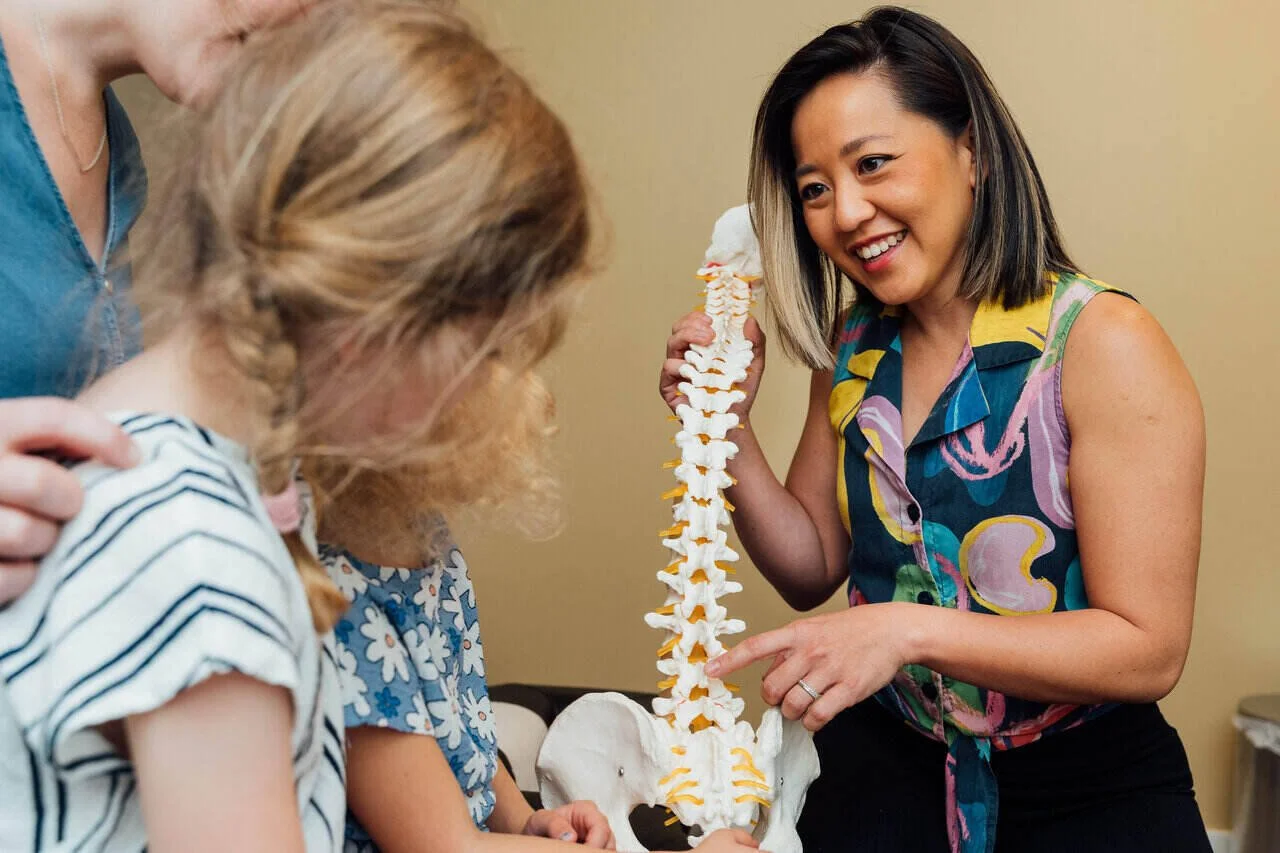
A chiropractor in North Brisbane (like us!) can assess how the spine, neck and pelvis are moving, identify any restriction or tension that may have developed as a result of the fall and provide gentle care where appropriate. We also work closely with GPs and paediatricians and will refer to if an assessment reveals anything that sits outside the scope of chiropractic care.
For most toddlers, a minor fall requires nothing more than comfort and time. For some, a brief assessment offers reassurance, clarity and, where needed, a little hands-on support to help the body recover fully.
When to seek urgent medical care
If your toddler loses consciousness, has a seizure, vomits repeatedly after a head injury, has a suspected fracture or you are concerned about any aspect of their condition following a fall, seek emergency medical care immediately. These situations require medical assessment before anything else.
Book now to discuss a movement concern or post-fall assessment for your toddler at Tan Chiro.