
Headaches from the neck: Signs your posture could be the reason
Headaches can have a wide range of reasons, making them challenging to identify. For some people, the source may not be the head itself, but the neck. Headaches are frequently referred to as cervicogenic headaches when they are associated with posture, neck movement or tense muscles.
You can identify patterns and determine when it might be worthwhile to have a posture headache investigated if you know how it varies from other kinds of headaches.
What is a cervicogenic headache?
The neck is the source of a cervicogenic headache. Rather than alterations in the brain itself, it is typically associated with the cervical spine joints, muscles or nerves. Research in musculoskeletal health suggests that reduced movement, joint stiffness and muscle tension in the neck can refer pain into the head.
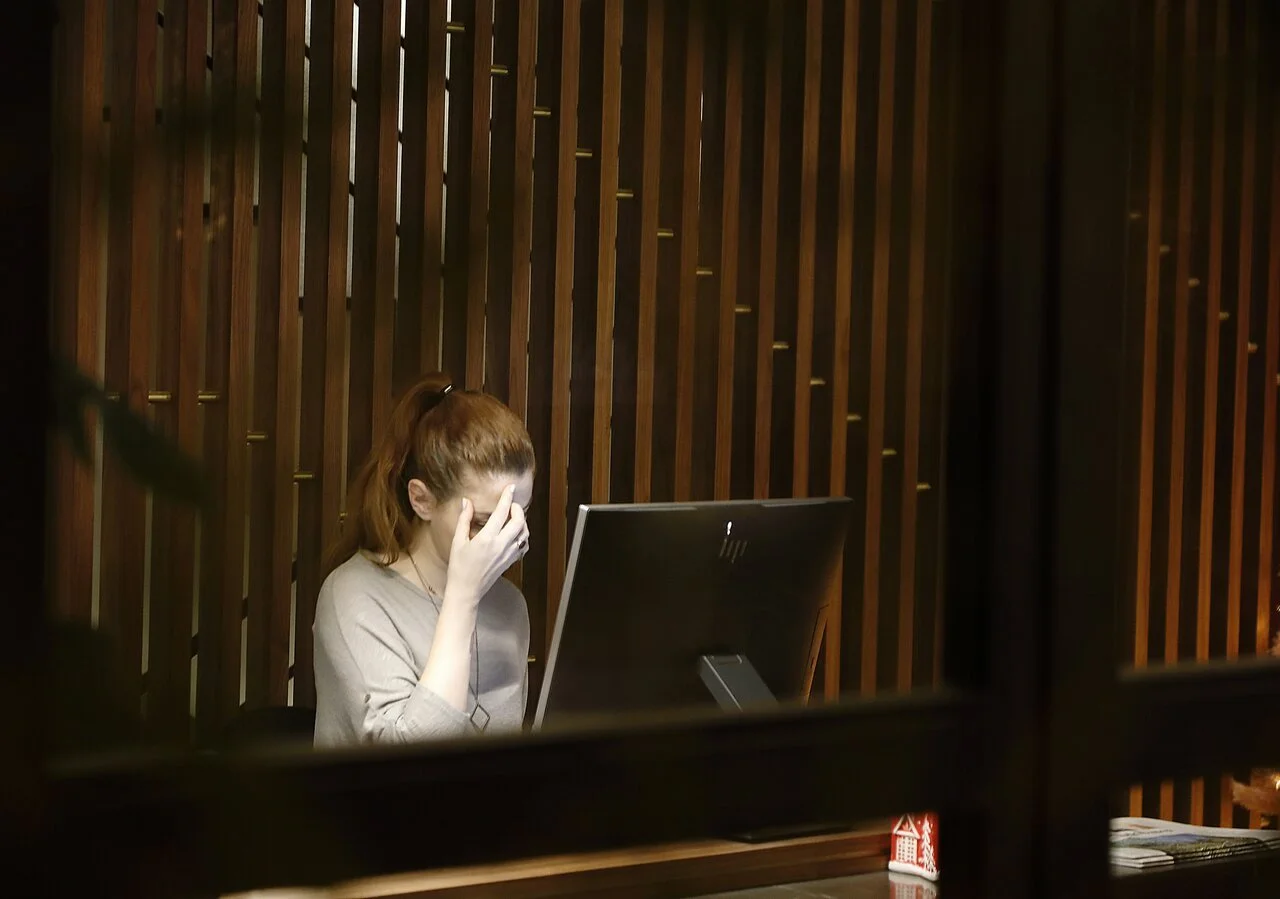
This may result in a headache with a different underlying cause, but that feels similar to other types. The symptoms of cervicogenic headaches in Brisbane are frequently impacted by everyday routines and posture.
How posture can contribute to headaches
The way the neck works during the day is greatly influenced by posture. Sitting for extended periods of time, staring down at a phone or using a screen can put a persistent strain on the neck. This could eventually result in less joint mobility and tense muscles. Many individuals refer to a stiff or overworked neck as a "posture headache" because it can cause discomfort to radiate into the head. These headaches often build gradually rather than appearing suddenly, especially after long periods in the same position.
Signs your headache may be coming back from the neck
Headaches associated with the neck typically follow specific patterns. Pain may radiate to the temples or behind the eyes after beginning in the neck or at the base of the skull. After using screens, sitting for extended periods of time, or sleeping in an uncomfortable position, some people report that their headaches get worse. Others may get headaches combined with neck stiffness or decreased mobility.
Changing posture or shifting the neck can often slightly reduce the pain. This is a significant distinction from other kinds of headaches.
See also: Sciatica Treatment Brisbane
How cervicogenic headaches differ from other types
Headaches associated with the neck typically follow specific patterns. Pain may radiate to the temples or behind the eyes after beginning in the neck or at the base of the skull. After using screens, sitting for extended periods of time, or sleeping in an uncomfortable position, some people report that their headaches get worse. Others may get headaches combined with neck stiffness or decreased mobility.
Changing posture or shifting the neck can often slightly reduce the pain. This is a significant distinction from other kinds of headaches.
When it may be worth getting it checked
It could be beneficial to have headaches evaluated if they are persistent, related to posture or accompanied by neck pain. Pain that interferes with focus, productivity or sleep should not be disregarded. For those experiencing a posture headache in Brisbane, identifying whether the neck is contributing can help clarify the most appropriate approach.

Headaches that are sudden, severe or accompanied by symptoms such as vision changes, weakness, confusion or difficulty speaking should be assessed urgently. If you are unsure, it is always safer to seek medical advice.
How chiropractic care may support posture-related headaches
Chiropractic care may help determine whether headaches are caused by neck movement, posture or tense muscles, but it does not take the place of medical care. The focus is often on improving mobility and reducing strain rather than targeting the head directly.
A chiropractor in North Brisbane (like us!) concentrates on determining how routine behaviours like screen time, workspace arrangement and sleeping posture may be impacting your neck and causing cervicogenic headaches. Addressing these issues may help some people feel more comfortable and experience fewer headaches due to their posture.
Final thoughts
Headaches can come from many sources, and not all are caused by the same thing. When posture and neck movement are involved, the source of the pain may be closer than you think.
Understanding the difference between a cervicogenic headache and other headache types can help you take the right steps early. If you are dealing with ongoing headaches and suspect your neck may be involved, getting it checked may help you better understand what is contributing to your symptoms. Book now to discuss whether a posture-related assessment may be helpful.