
Gym form vs spinal mobility: Why some lifts keep hurting & can a gym injury chiropractor help?
Good lifting form matters. But if you have ever cleaned up your technique, reduced the weight and still found that the same squat, deadlift or overhead press keeps aggravating your back, form may not be the whole story. Sometimes, lifting back pain is less about performing an exercise incorrectly and more about how well your body can move, tolerate load and recover between sessions.
Restrictions through the spine, hips or shoulders can change the way your body completes a lift. Fatigue, training volume and poor recovery can also reduce your ability to handle movements that normally feel comfortable. Understanding the difference can help you stop endlessly adjusting your technique and start looking at the bigger picture behind persistent lifting back pain.
If the discomfort keeps returning, an assessment with a gym injury chiropractor in Brisbane may also help identify whether mobility restrictions, load tolerance or recovery issues are contributing.
Good form does not always mean pain-free movement
Gym technique is often discussed as though there is one perfect way to perform every exercise. In reality, people have different limb lengths, joint structures, mobility levels and training histories. A technically sound squat for one person may look slightly different from another person's squat.
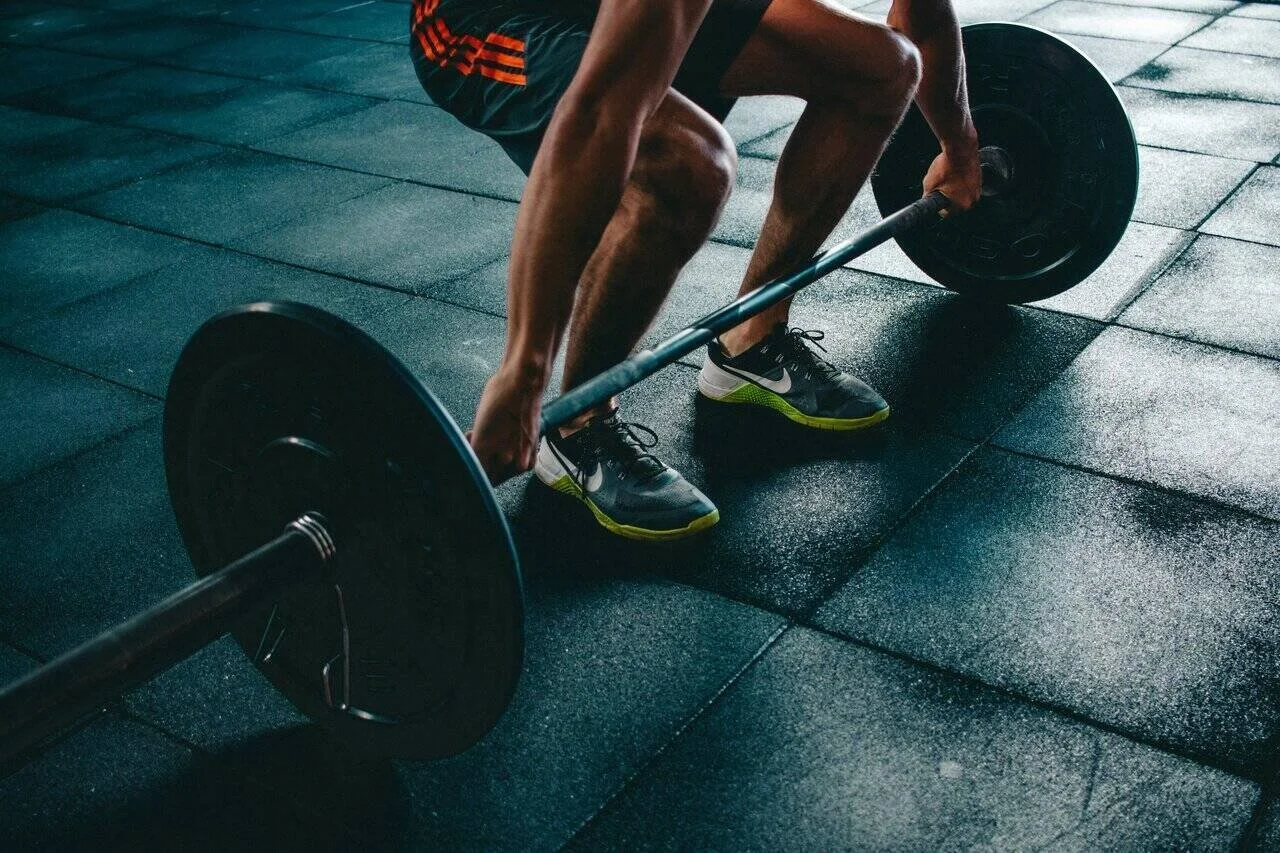
Form is still important because it helps you control a movement and manage load efficiently. However, good form cannot always compensate for a body that is struggling to access the range of motion the exercise requires.
For example, you may know exactly how to brace during a squat, but if your ankles or hips are particularly restricted, your lower back may end up moving more to help you reach depth.
That does not automatically mean the back is being "damaged". It does mean that one part of the body may be taking on more work than intended.
Mobility can change how you lift
Mobility is not simply flexibility. Flexibility generally refers to how far a muscle or joint can be passively moved. Mobility is your ability to actively control movement through a usable range.
In the gym, several areas can influence how comfortably you perform common lifts.
Hip mobility
Limited hip movement may affect exercises such as squats, lunges and deadlifts. If your hips cannot comfortably move through the range you are asking of them, you may compensate through the pelvis or lower back. This may become more noticeable as the weight increases or as fatigue sets in.
Thoracic spine mobility
If the thoracic spine area is particularly stiff, movements that require upper-body extension or rotation may become more difficult. This can influence overhead pressing, front squats and certain pulling exercises. Your lower back or shoulders may then contribute more movement to compensate.
Why the same lift can suddenly start hurting
One of the most frustrating parts of gym-related pain is that an exercise you have performed comfortably for months can suddenly become uncomfortable. This does not necessarily mean your technique suddenly became bad. Your body's tolerance to exercise changes depending on several factors.
These can include:
how much training you have done recently
sudden increases in weight, repetitions or session frequency
poor sleep
inadequate recovery between workouts
stress
fatigue
returning to training after time away
adding unfamiliar exercises or training styles
Think of your body as having a certain capacity for physical stress. A deadlift session that is manageable when you are well rested may feel very different after several heavy training days, poor sleep and a sudden increase in volume. Pain can therefore be influenced not only by how you move, but also by how much load your body is currently prepared to tolerate.
Load management is often overlooked
When a lift keeps causing discomfort, many people focus entirely on biomechanics. The training load deserves just as much attention.
Consider whether anything changed shortly before the pain started. Did you:
increase your weights quickly?
add another training day?
change programmes?
start training closer to failure?
add running or another sport?
return after a holiday or illness?
Even individually reasonable changes can add up. Reducing training load temporarily does not necessarily mean stopping exercise altogether. Depending on the situation, it may involve reducing weight, range, volume or frequency while symptoms settle. You can then gradually build capacity again.
What to do if a lift keeps aggravating your back
If you are experiencing recurrent lifting back pain, start by looking beyond whether your technique appears perfect. Consider the entire training picture. First, identify exactly when discomfort appears. Does it happen at the bottom of a squat, during the pull from the floor or only after several sets? Next, look at your training load. Compare your current programme with what you were doing a few weeks earlier.
It may also help to film a few repetitions from different angles. This can reveal whether your movement changes as you become tired. You can then experiment with sensible modifications such as reducing load, changing the range of motion or temporarily using a different exercise variation.
When should you seek professional advice?
Occasional soreness after training is common, particularly when introducing unfamiliar exercises. Persistent or recurring pain deserves more attention. If discomfort continues despite modifying your training or keeps returning whenever you increase load, an assessment can help identify contributing factors.
A gym injury chiropractor in North Brisbane (like us!) may assess areas such as spinal and joint movement, muscle function and how your body moves during relevant patterns.
Importantly, the focus should not simply be on identifying one supposedly "misaligned" area. A useful assessment should consider your symptoms alongside your mobility, strength, training history and overall workload.

Depending on the findings, management may include movement advice, mobility or strengthening exercises and recommendations around gradually returning to normal training. If you develop severe pain, significant weakness, numbness, changes in bladder or bowel control or symptoms following a substantial injury, seek appropriate medical assessment promptly.
See also: Sciatica Treatment Brisbane
The bigger picture
Technique is only one part of the equation. Mobility, strength, fatigue, recovery and training load can all influence how your body responds to exercise. If lifting back pain keeps returning, identifying the factors contributing to it may help guide a more suitable approach.
If symptoms persist, the team at Tan Chiro can assess your movement and discuss appropriate management options. Book a consultation now!