
Tradies’ Backs: Lifting, Twisting & Tool Belt Tips
The nature of trade work is physically demanding. The combination of long hours, heavy lifting, repetitive movements and awkward positions puts immense stress on the body, especially the lower back. For many tradies, lower back pain develops gradually over time rather than being caused by a single major injury.
To protect your back and ensure a long career, the first essential step is to understand how daily activities such as lifting, twisting and even wearing a tool belt impact your spine.
Why lower back pain is so common for tradies
Lower back pain is one of the most common physical issues faced by tradies because their work places constant mechanical stress on the spine. Unlike desk-based work, trade jobs involve sustained physical loading, repetitive movements and working in awkward or restricted positions, often while fatigued or under time pressure. This combination places ongoing strain on the muscles, joints and discs of the lower back.
Daily tasks such as lifting heavy or awkward loads, twisting while carrying weight, working on uneven surfaces or ladders, prolonged bending or kneeling and uneven load distribution from tool belts all contribute to cumulative spinal stress. Over time, this repeated strain can overload the lower spine, leading to stiffness, pain, reduced mobility and a higher risk of long-term injury.
Lifting smarter on site
Safe lifting isn’t just about technique. It’s about consistency, especially when you’re tired or under time pressure.
Practical lifting tips that actually work on site:
Keep the load close to your body to reduce spinal strain
Bend through the hips and knees rather than rounding the lower back
Brace your core before lifting
Avoid lifting and twisting at the same time
Break heavier loads into smaller stages when possible
Even small adjustments can significantly reduce the cumulative stress placed on your lower back throughout the day.
Controlling twisting and rotation
Twisting while carrying weight is one of the highest-risk movements for lower back injury in trade work. Even when a single movement does not cause immediate pain, repeated rotation under load places cumulative stress on the spinal discs and joints, increasing the risk of long-term irritation, stiffness and injury over time.
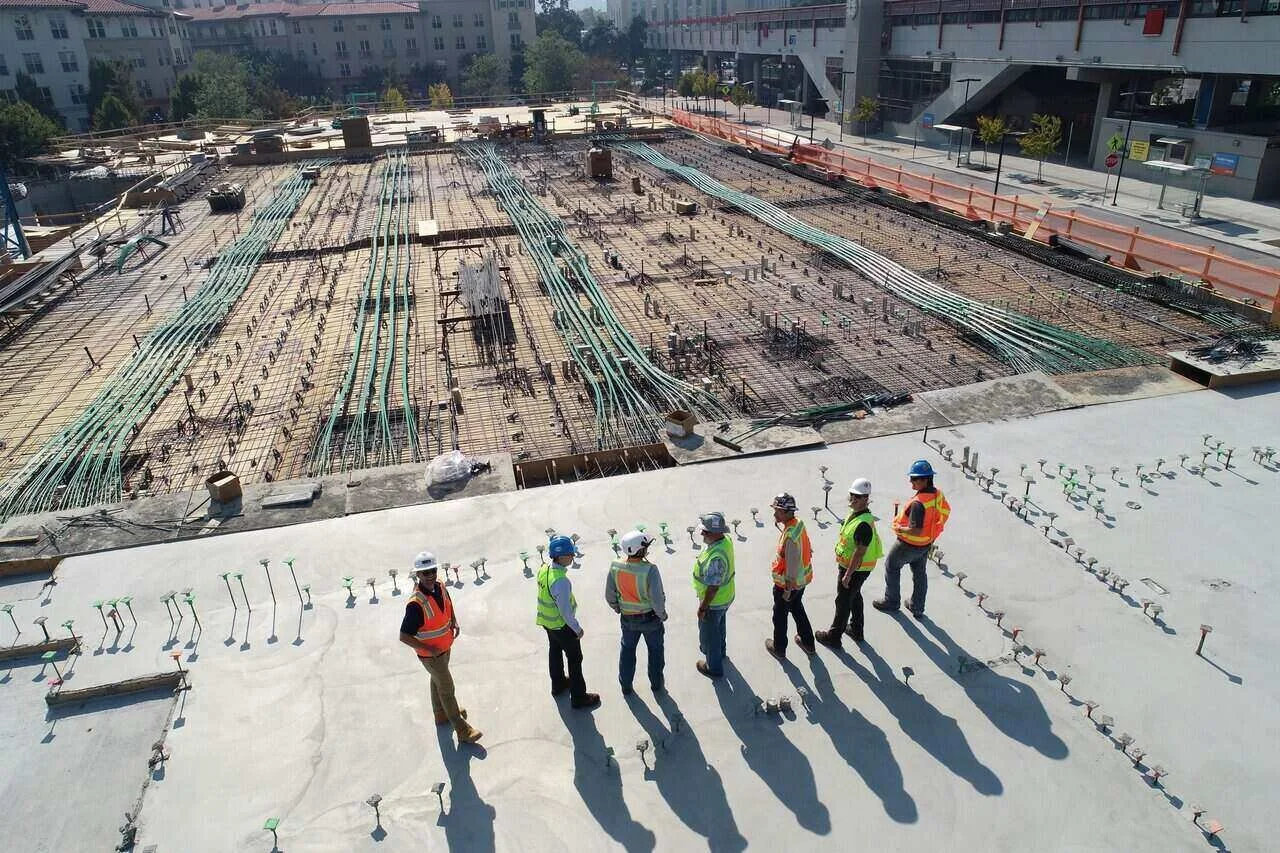
Reducing unnecessary rotation is a simple but powerful way to protect your back. Pivoting with your feet instead of twisting through the spine, repositioning materials so you face the task directly, stepping around obstacles rather than reaching and twisting and resetting your stance before lifting or placing objects can significantly reduce spinal strain and help prevent long-term back problems.
Tool belt and gear tweaks that reduce strain
While tool belts are essential work gear, wearing them improperly can be a factor in developing lower back pain. When a tool belt is too heavy or the weight is unevenly distributed, it can cause the pelvis to shift out of alignment and put undue strain on one side of the spine.
Helpful adjustments include:
Distributing tools evenly on both sides
Wearing the belt lower on the hips rather than high on the waist
Removing tools you don’t need for the task at hand
Rotating tools between tasks instead of carrying everything all day
Considering modular belts or tool vests where appropriate
These small changes help reduce constant low-level strain on the lower back during long workdays.
Early warning signs tradies shouldn’t ignore
Many tradies push through discomfort, but early signs of back strain shouldn’t be ignored.
Red flags include:
Persistent stiffness or aching after work
Pain that worsens with lifting or twisting
Morning tightness that takes time to ease
Sharp pain during certain movements
Pain spreading into the hips, glutes or legs
Addressing these signs early can help prevent more serious injury and longer recovery times.
How a tradie chiropractor in Brisbane can help
A tradie chiropractor in North Brisbane (like us!) focuses on identifying how your work demands are affecting your spine.
Chiropractic care may involve:
Assessing posture, movement patterns and lifting mechanics
Identifying areas of joint restriction or imbalance
Improving spinal and pelvic alignment
Releasing tight muscles contributing to pain
Providing tailored advice based on your specific trade and workload
The goal is to restore movement, reduce strain and help keep you working comfortably.
When to get assessed
If lower back pain is lingering, worsening or starting to interfere with your ability to work, it is a strong sign that professional assessment is needed. Research shows that work-related lower back pain is common in physically demanding jobs, with around 1 in 4 workers experiencing back pain lasting more than a week each year and a significant proportion needing time off work. Ongoing pain also carries a real risk of becoming chronic, with studies showing that a portion of acute back injuries progress into long-term conditions when early care is delayed. This is where home strategies alone often fall short, especially when pain is driven by daily physical load and repetitive strain.

Early assessment can play a key role in preventing long-term issues. Evidence consistently shows that early intervention for lower back pain improves recovery outcomes, reduces disability and supports safer movement patterns at work. Seeing a tradie chiropractor in Brisbane early might help identify underlying joint restrictions, muscle imbalances and movement faults early. It can support recovery, reduce disruption to work and contribute to better long-term spinal health in physically demanding careers.
See also: Sciatica Treatment Brisbane
Final thoughts
Lower back pain may be common in trades, but it shouldn’t be accepted as “part of the job.” With smarter lifting habits, better rotation control, simple gear adjustments and early care, many back issues can be prevented or managed effectively.
If your back is starting to hold you back, getting it checked sooner rather than later can make all the difference. Book a consultation today and keep your back strong, mobile and work-ready.