
Postnatal return to exercise: Can a pregnancy chiropractor in Brisbane help?
For many new mothers, postnatal return to exercise feels like a milestone worth rushing toward. It can be a way to reclaim some sense of self, manage stress, rebuild strength and simply feel better in your body after the significant demands of pregnancy and birth.
But the postnatal period is not the time to push through. The body undergoes substantial changes during pregnancy and birth and returning to movement too quickly or without the right foundations can create problems that take far longer to resolve than the few extra weeks of patience would have cost. This is not about holding you back. It is about helping you return to exercise in a way that actually works.
What child birth does to the body & what postpartum exercise recovery entails
Over the course of pregnancy, the body adapts in significant ways. Hormones, including relaxing, increase the laxity of the ligaments throughout the pelvis and spine. The abdominal muscles lengthen and may separate along the midline, a condition known as diastasis recti. The pelvic floor is placed under sustained load from the growing uterus and birth itself, particularly vaginal delivery, places considerable strain on the pelvic floor tissues.
These changes do not reverse instantly after delivery. The ligaments remain more lax for some time postnatally, the abdominal wall needs a period of recovery and the pelvic floor may take weeks or months to rebuild the strength and coordination needed to manage load effectively.
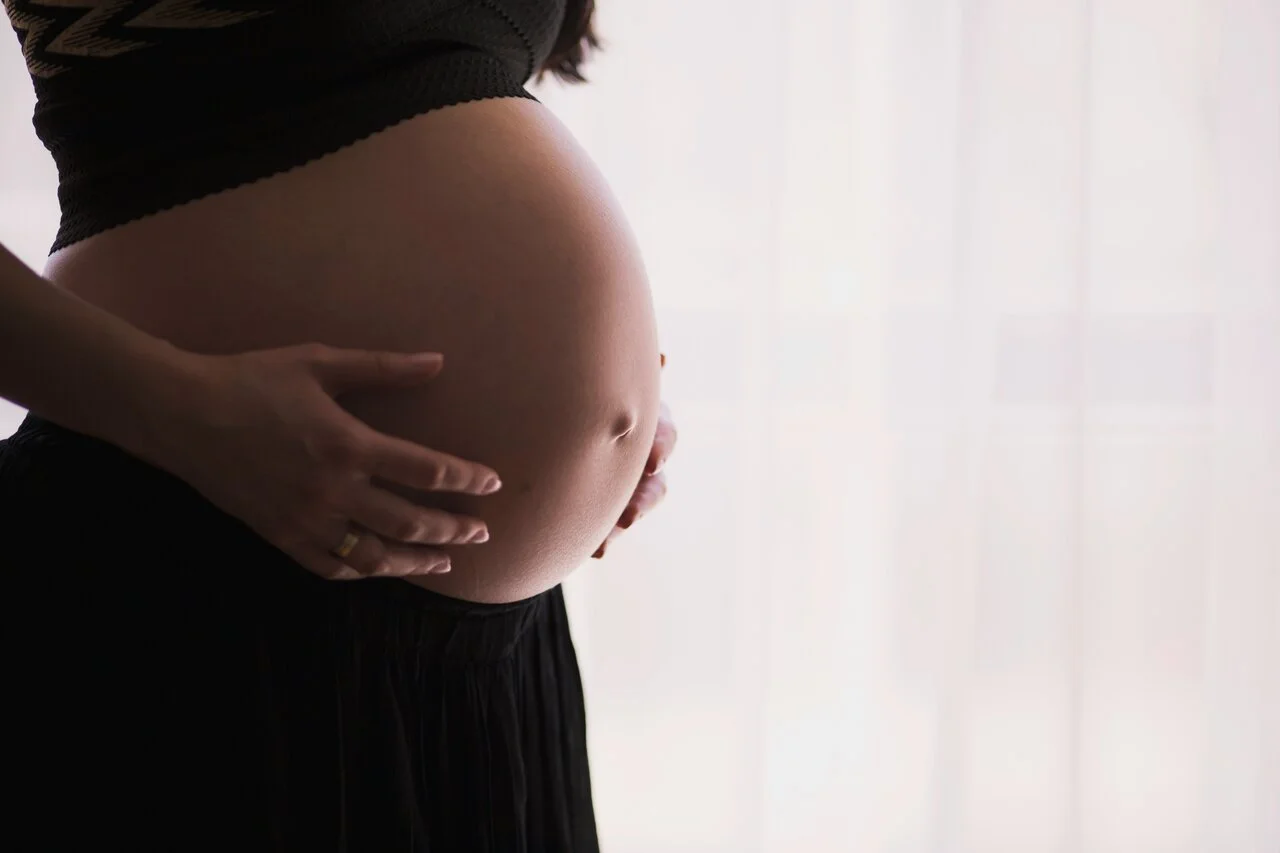
Returning to high-impact or high-load exercise before these structures have adequately recovered can contribute to pelvic floor symptoms, including leaking, prolapse or heaviness, persistent abdominal weakness, lower back and pelvic pain and hip instability.
The six-week clearance is a starting point, not a green light
The standard six-week postnatal check is a useful milestone, but it was not designed to clear women for return to exercise. It is a general health review and in most cases, it does not include any assessment of pelvic floor function, abdominal wall integrity or load tolerance.
A medical clearance at six weeks is appropriate to rule out significant complications. What it does not tell you is whether your pelvic floor is functioning well, whether your abdominal separation has closed sufficiently or whether your body is ready for the specific demands of postpartum exercise recovery.
For most women, the first eight to twelve weeks postnatally are better suited to low-load recovery movement: gentle walking, breathing and deep core reconnection, pelvic floor rehabilitation and gradual progression under guidance.
Posture and load management during postpartum exercise recovery
The postnatal period brings its own postural demands that can quietly compound the load on a recovering body. Feeding positions, carrying, bending over a cot, wearing a baby in a carrier and the general repetitive movements of caring for a newborn all place load through the lower back, pelvis, neck and upper back.
Many new mothers also notice that postural habits formed during pregnancy, such as swaying the lower back to accommodate a growing belly, persist after birth. Retraining posture and movement patterns is as much a part of postnatal recovery as rebuilding strength.
Paying attention to how you are standing, sitting and carrying in daily life can reduce the background strain on the body and support a smoother return to more structured exercise.
How to pace your postnatal return to exercise
Every postnatal recovery is different and individual factors, including the type of birth, any complications, previous fitness level and current symptoms, all influence the timeline. As a general guide:
Gentle walking can usually begin within days of birth, progressing gradually in duration and pace
Pelvic floor and deep core work can begin early, ideally with guidance from a women's health physiotherapist
Low-impact activities such as swimming or cycling may be appropriate from around six to eight weeks, provided there are no symptoms
Running, jumping and high-load resistance training are generally not recommended before twelve weeks at the earliest and only once adequate pelvic floor and core function has been established
Symptoms, including leaking with exercise, pelvic heaviness, lower back or pelvic pain that worsens with activity or abdominal doming during movement, are all signals that the body needs more support before load is increased.
How a pregnancy chiropractor in Brisbane may help
A chiropractor in North Brisbane (like us!) can assess how the spine, pelvis and surrounding structures are moving and functioning during the postnatal period and help identify any areas of restriction, tension or instability that may be affecting your recovery or your return to movement.
At Tan Chiro, postnatal care may involve working on pelvic and lumbar joint mobility, addressing muscle tension through the hips, lower back and thoracic spine and providing guidance on load management and movement habits during the recovery period. We also work alongside women's health physiotherapists, who are the primary practitioners for pelvic floor rehabilitation.

Whether you are six weeks postpartum and wanting to understand where your body is at or several months in and finding that certain activities are still not feeling right, an assessment can help clarify what is happening and what support may be useful.
When to seek further support
If you are experiencing significant pelvic floor symptoms, persistent pelvic or lower back pain or any symptoms that concern you during or after exercise, please speak with your GP or a women's health physiotherapist. These practitioners are the most appropriate first point of contact for pelvic floor assessment and rehabilitation.
Returning to exercise after pregnancy is one of the more rewarding parts of the postnatal period when it is approached with the right foundations. Building those foundations first is not a detour. It is the direct route.
Book now to discuss your postnatal recovery with a chiropractor at Tan Chiro.
See also: Sciatica Treatment Brisbane